

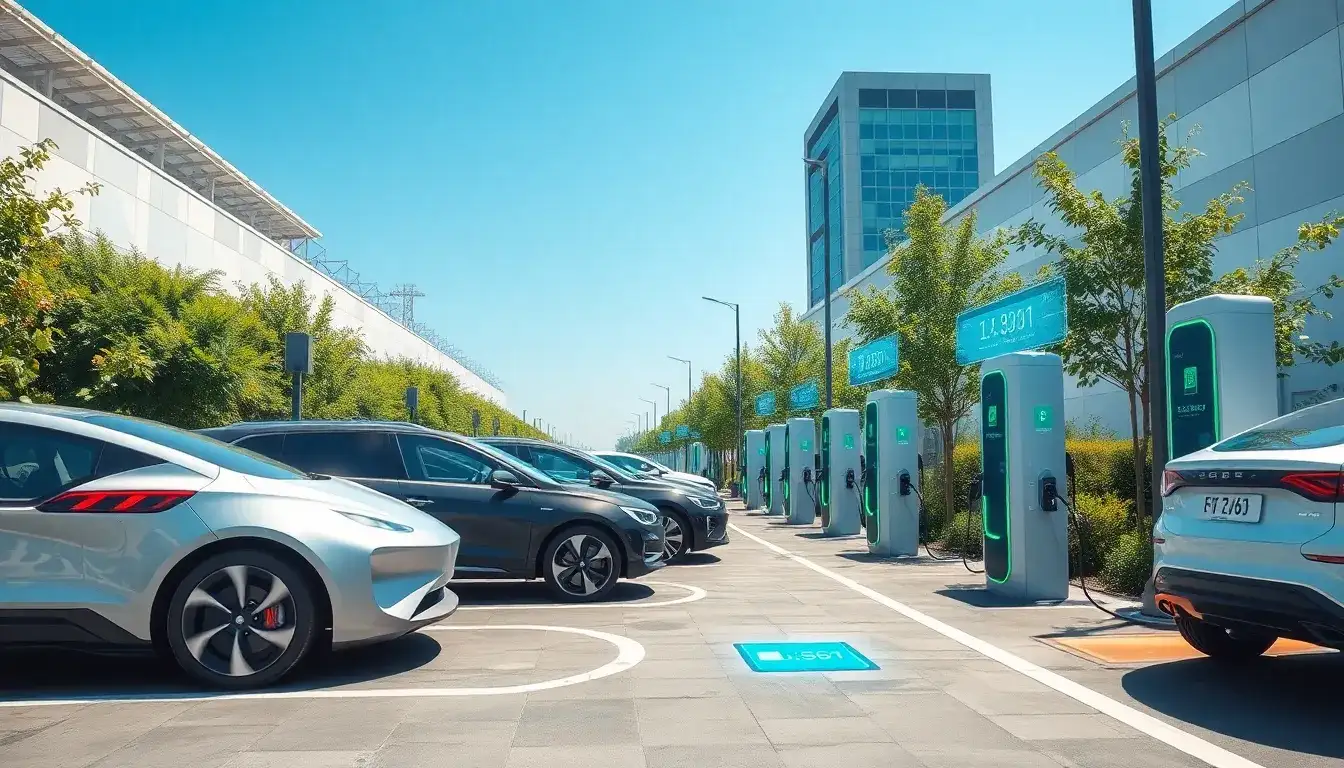
Currently, there isn’t a detailed list of specific EV models that are more resistant to battery degradation from fast charging. However, understanding the factors that influence degradation and knowing how certain brands and models are designed can help in making informed choices.
Factors Influencing Resistance to Battery Degradation
- Battery Chemistry: Different battery chemistries, such as lithium-nickel-manganese-cobalt oxide (NMC), lithium-iron-phosphate (LFP), and others, have varying levels of resistance to degradation. For example, LFP batteries are generally considered more durable.
- Battery Management Systems (BMS): Advanced BMS can mitigate degradation by controlling temperature, balancing cells, and optimizing charging.
- Cooling Systems: Vehicles with effective cooling systems can reduce thermal stress on batteries during fast charging, potentially slowing degradation.
Brands and Models with Potential Advantages
- Tesla: Known for robust battery management systems and thermal management, which might help mitigate degradation.
- BYD: Utilizes LFP batteries, which are generally less prone to degradation and thermal stress compared to NMC batteries.
- Volkswagen Group: Offers a variety of EV models with different battery options, including some with advanced thermal management.
While specific models may be more resilient, frequent fast charging can still accelerate degradation in any EV. Minimizing use of fast charging, maintaining optimal temperatures, and ensuring the BMS works effectively are key strategies to extend battery life.
For consumers seeking models that are more resistant, considering vehicles with LFP batteries and advanced thermal management may be beneficial. However, actual performance can vary based on usage patterns and environmental conditions.
Original article by NenPower, If reposted, please credit the source: https://nenpower.com/blog/are-there-any-ev-models-that-are-more-resistant-to-battery-degradation-from-fast-charging/

