

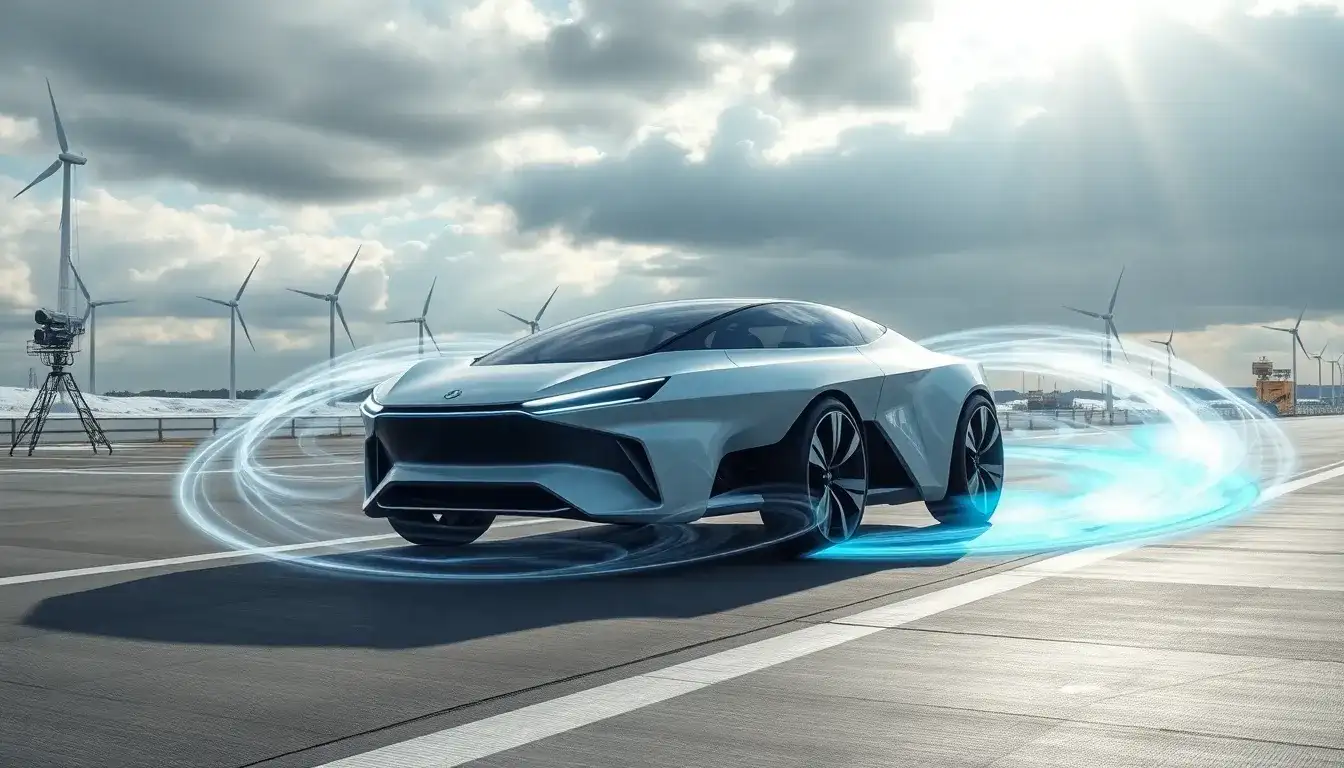
Currently, no specific EV models are explicitly marketed as more resistant to wind speed based on the available data. However, aerodynamic design plays a critical role in mitigating wind-related efficiency losses for all EVs.
Key Considerations for Wind Resistance in EVs:
- Aerodynamic drag coefficient: Lower drag coefficients reduce wind resistance. Models like the Tesla Model 3, Hyundai Ioniq 6, or Lucid Air are known for exceptional aerodynamics (drag coefficients as low as 0.21–0.24), which inherently improves their ability to counteract headwinds.
- Weight and efficiency: Lighter vehicles with efficient powertrains may experience less relative range loss from wind resistance, though payload and speed remain dominant factors.
- Tire and road conditions: Properly inflated, low-rolling-resistance tires can marginally offset wind-induced drag, but this applies universally rather than to specific models.
While no EVs are explicitly “wind-resistant,” models with superior aerodynamics and regenerative braking systems will inherently perform better in high-wind conditions compared to boxier, less aerodynamic vehicles. The impact of wind remains significant regardless of model, with headwinds reducing range by up to 19% at highway speeds.
Recommendation: For wind-prone areas, prioritize EVs with:
- Low drag coefficients (below 0.25).
- Efficient thermal management systems to minimize ancillary energy use.
- Adjustable regenerative braking to recapture energy during variable wind conditions.
The search results do not identify specific models with proprietary wind-resistance technology, emphasizing instead universal aerodynamic principles.
Original article by NenPower, If reposted, please credit the source: https://nenpower.com/blog/are-there-any-ev-models-more-resistant-to-wind-speed/

