

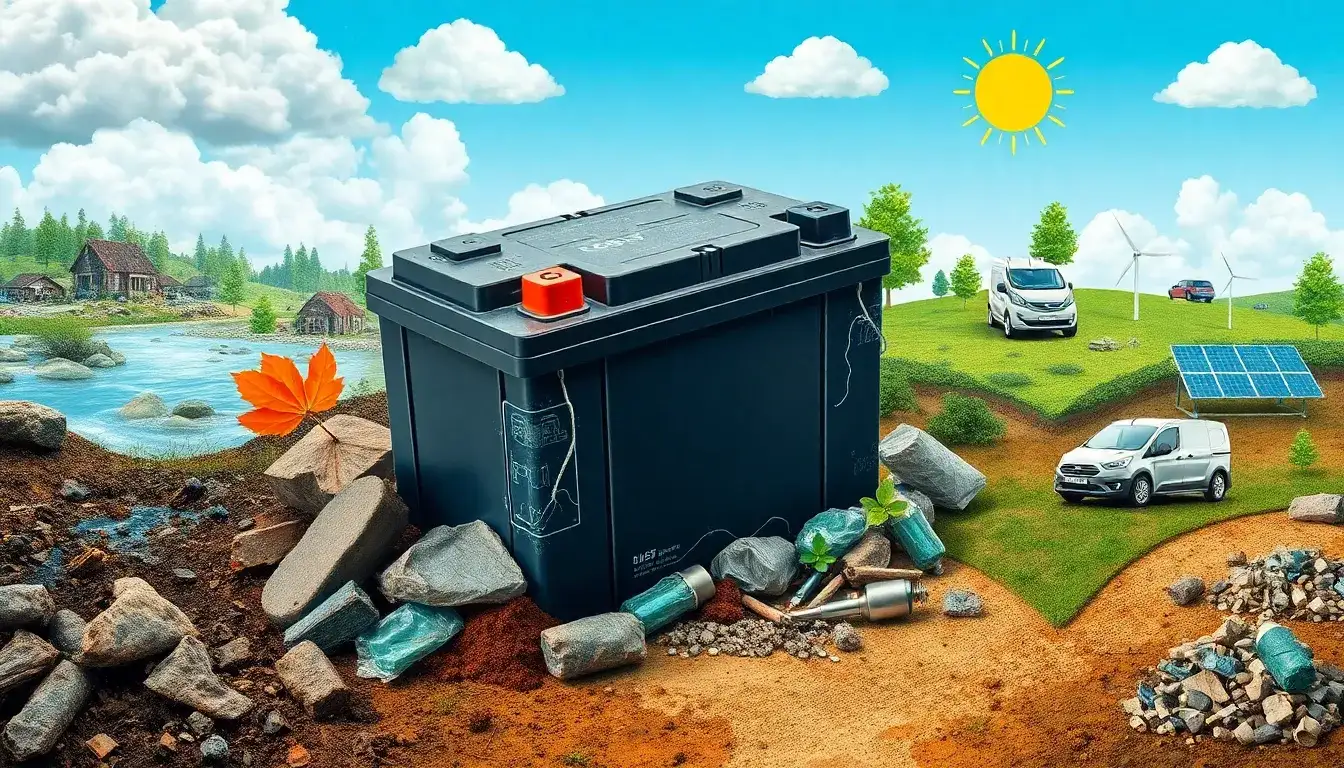
Replacing lead-acid batteries frequently comes with several environmental costs due to their composition and disposal issues. Here are some key considerations:
- Toxicity and Pollution: Lead-acid batteries contain lead, a toxic heavy metal that can contaminate soil and water if disposed of improperly. Frequent replacements increase the likelihood of improper disposal, exacerbating environmental risks.
- Resource Intensity: Lead-acid batteries require more frequent replacements compared to alternatives like lithium-ion batteries, which have longer lifespans. This results in greater resource consumption for manufacturing and disposal, contributing to higher environmental impact.
- Carbon Footprint: The production of lead-acid batteries generates higher CO2 emissions compared to lithium-ion batteries. More frequent production and disposal of lead-acid batteries amplify these emissions, contributing to climate change.
- Recycling Challenges: While lead-acid batteries have good recycling rates, the process can be hazardous. In some regions, informal recycling practices lead to pollution and health risks. The need for frequent replacements increases the demand for recycling, making environmental management more challenging.
- Fire Hazards and Air Pollution: Lead-acid batteries can catch fire during recycling or use, releasing pollutants into the air and causing respiratory problems. This risk is higher with more frequent handling and recycling.
Overall, the frequent replacement of lead-acid batteries not only costs more in the long run but also leads to considerable environmental degradation. Alternatives like lithium-ion batteries offer a more sustainable solution due to their longer lifespan and lower environmental impact.
Original article by NenPower, If reposted, please credit the source: https://nenpower.com/blog/are-there-any-environmental-costs-associated-with-replacing-lead-acid-batteries-frequently/

