

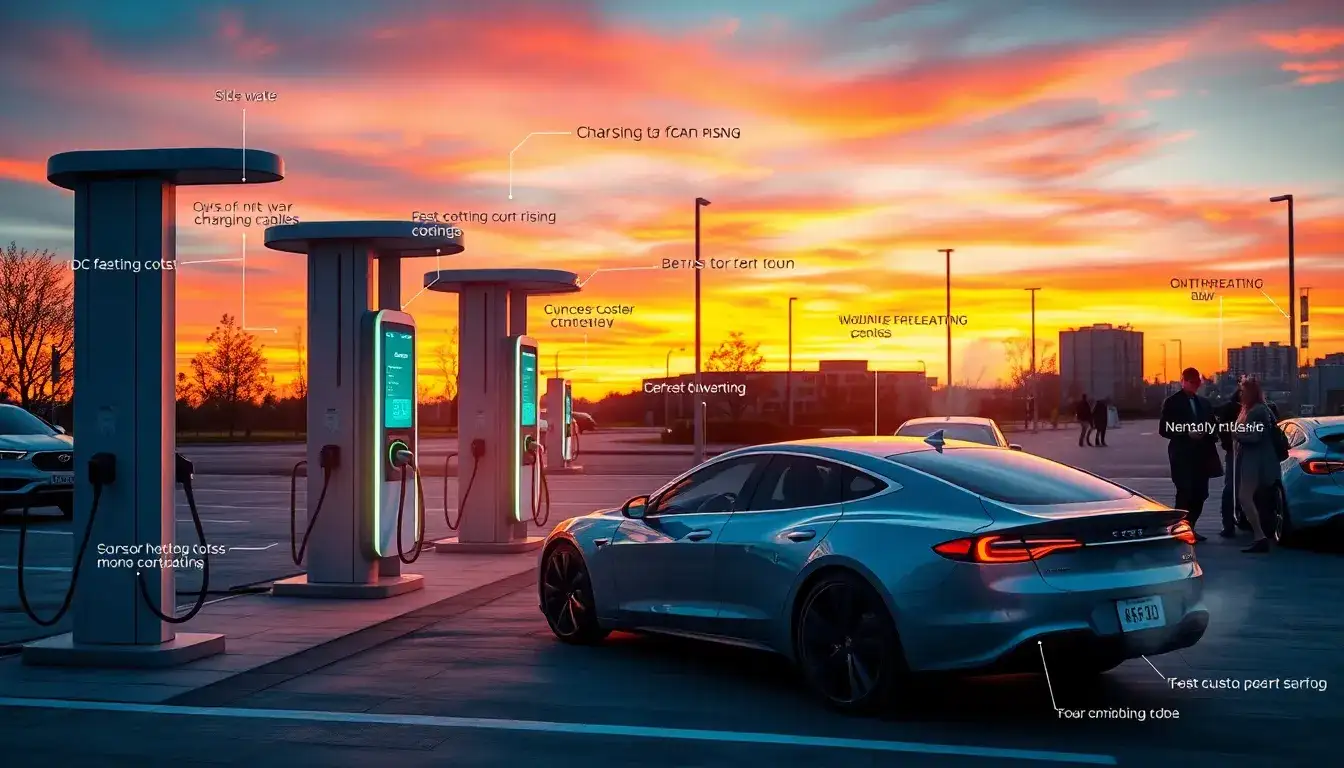
While DC fast chargers offer significant benefits such as rapid charging, they also come with several drawbacks:
Drawbacks of Using DC Fast Chargers
- Higher Upfront Infrastructure Costs: DC fast-charging stations require specialized equipment and higher power capacities, leading to increased installation expenses compared to AC chargers. This can be a barrier to widespread adoption.
- Potential for Battery Degradation: Frequent use of DC fast charging can generate more heat, which may potentially accelerate battery degradation over time. However, the impact is generally considered minimal compared to other factors, and modern vehicles often include systems to mitigate this effect.
- Less Common and Harder to Find: DC charging stations are less common than AC chargers, particularly in residential areas, making them harder to locate when needed.
- Grid Strain: DC fast chargers draw considerable electricity, which can strain the power grid during peak charging times. This may lead to disruptions or increased utility costs if not managed efficiently.
- Space and Maintenance Requirements: DC chargers typically require more space and have more complex spare parts compared to AC chargers, contributing to higher maintenance costs.
Original article by NenPower, If reposted, please credit the source: https://nenpower.com/blog/are-there-any-drawbacks-to-using-dc-fast-chargers/

