

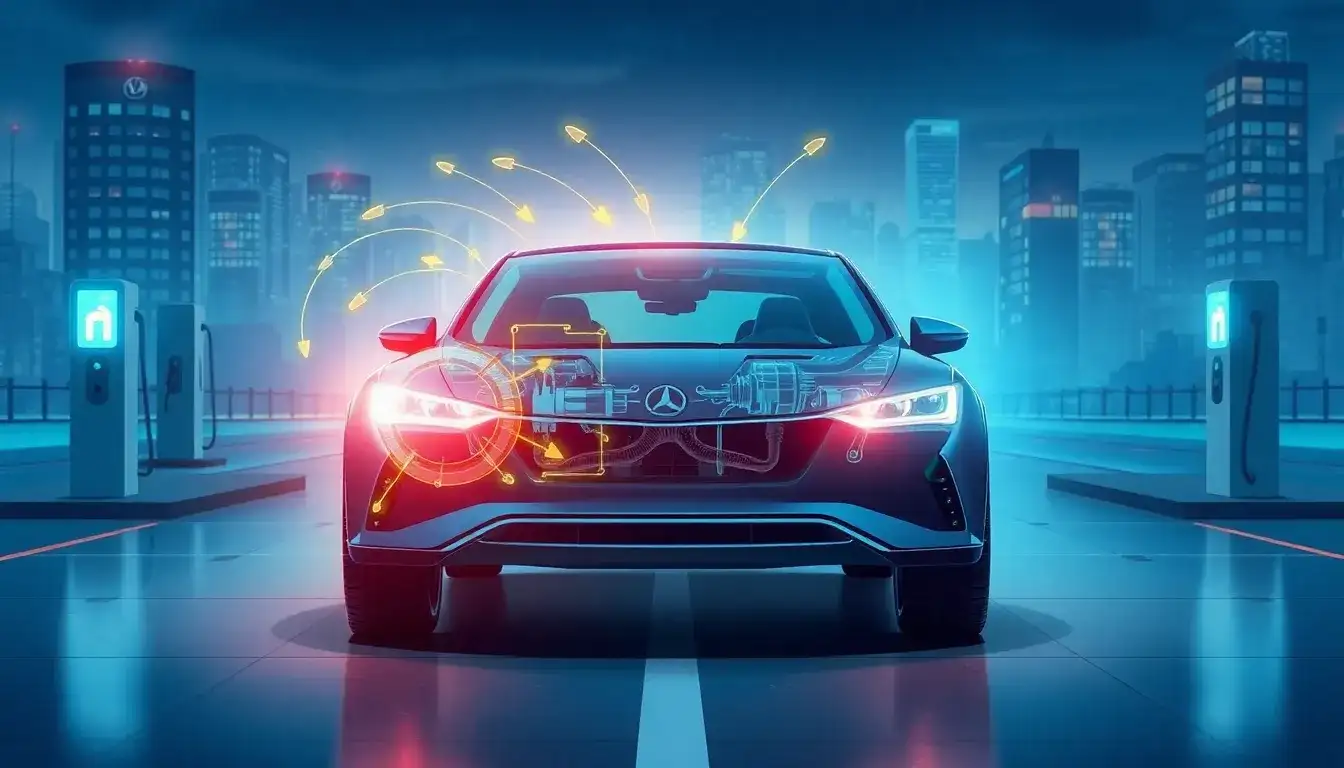
While regenerative braking in Plug-in Hybrid Electric Vehicles (PHEVs) offers significant advantages such as energy efficiency and reduced wear on traditional brakes, there are some drawbacks to consider:
- Different Feel: Regenerative braking may feel unusual compared to traditional braking. It can require some time to get accustomed to the smoother, quicker, and more consistent braking response. Some drivers find it necessary to press harder on the pedal, which may feel unnatural at first.
- Learning Curve: There is a learning curve involved in effectively using regenerative braking systems, especially when utilizing features like paddles to adjust the regen level. This can lead to jerky braking if not mastered, although most systems are generally easy to adapt to.
- Variable Efficiency: The efficiency of regenerative braking can vary depending on driving style and conditions. For instance, at low speeds or during harsh braking, the energy capture might be less effective.
- Complex System Integration: Ensuring smooth integration with traditional braking systems is a challenge for manufacturers. While regenerative braking is effective, there can be instances where both systems must work harmoniously to provide safe and controlled stopping.
Overall, these drawbacks are generally minor, and regenerative braking remains a valuable feature in maximizing the efficiency and range of PHEVs.
Original article by NenPower, If reposted, please credit the source: https://nenpower.com/blog/are-there-any-drawbacks-to-regenerative-braking-in-phevs/

