

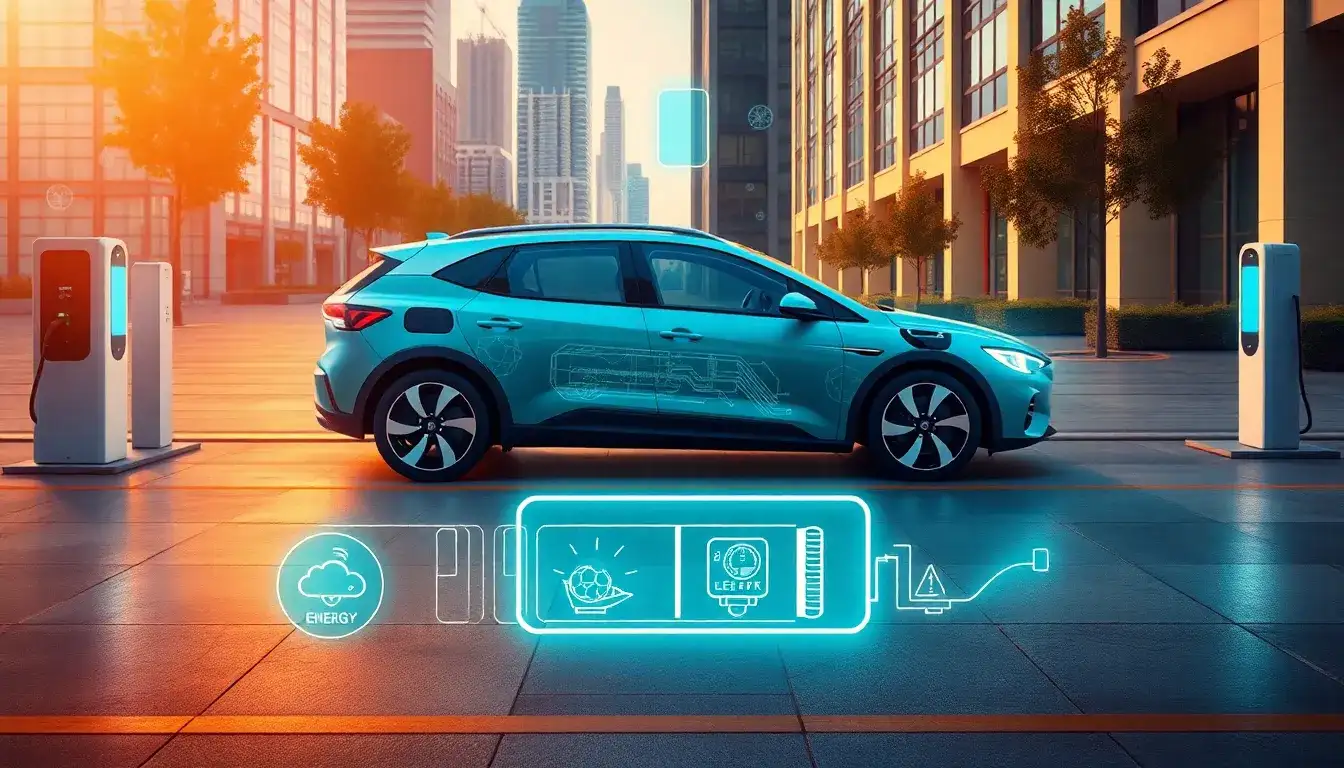
Having a larger battery in a Plug-in Hybrid Electric Vehicle (PHEV) can bring several benefits, such as extended electric-only range, but it also presents some significant drawbacks:
- Increased Weight and Reduced Efficiency:
- A larger battery pack adds significant weight to the vehicle, which can negatively impact performance by affecting acceleration, handling, and braking.
- The added weight reduces efficiency, both in electric mode (miles per kWh) and when the vehicle operates as a hybrid once the battery is depleted (miles per gallon).
- Higher Cost:
- Larger batteries are more expensive. The cost per kWh of batteries ranges from $500 to $1,000, making luxury vehicles a more likely platform for such upgrades.
- This increased upfront cost can be a barrier for many consumers.
- Complexity and Maintenance:
- The larger battery and complex dual powertrain system increase the complexity of the vehicle, potentially leading to higher maintenance costs and reliability issues due to the need for servicing both electric and gasoline components.
- Space and Weight as Ballast:
- Even when not in use, the weight and space allocated to a larger battery remain, acting as ballast that the vehicle must carry at all times. This can limit meaningful electric range improvements because the vehicle is always carrying this additional weight, even when not utilizing the full electric capacity.
Overall, while a larger battery can provide more electric range, the drawbacks in terms of weight, cost, complexity, and efficiency must be carefully considered.
Original article by NenPower, If reposted, please credit the source: https://nenpower.com/blog/are-there-any-drawbacks-to-having-a-larger-battery-in-a-phev/

