

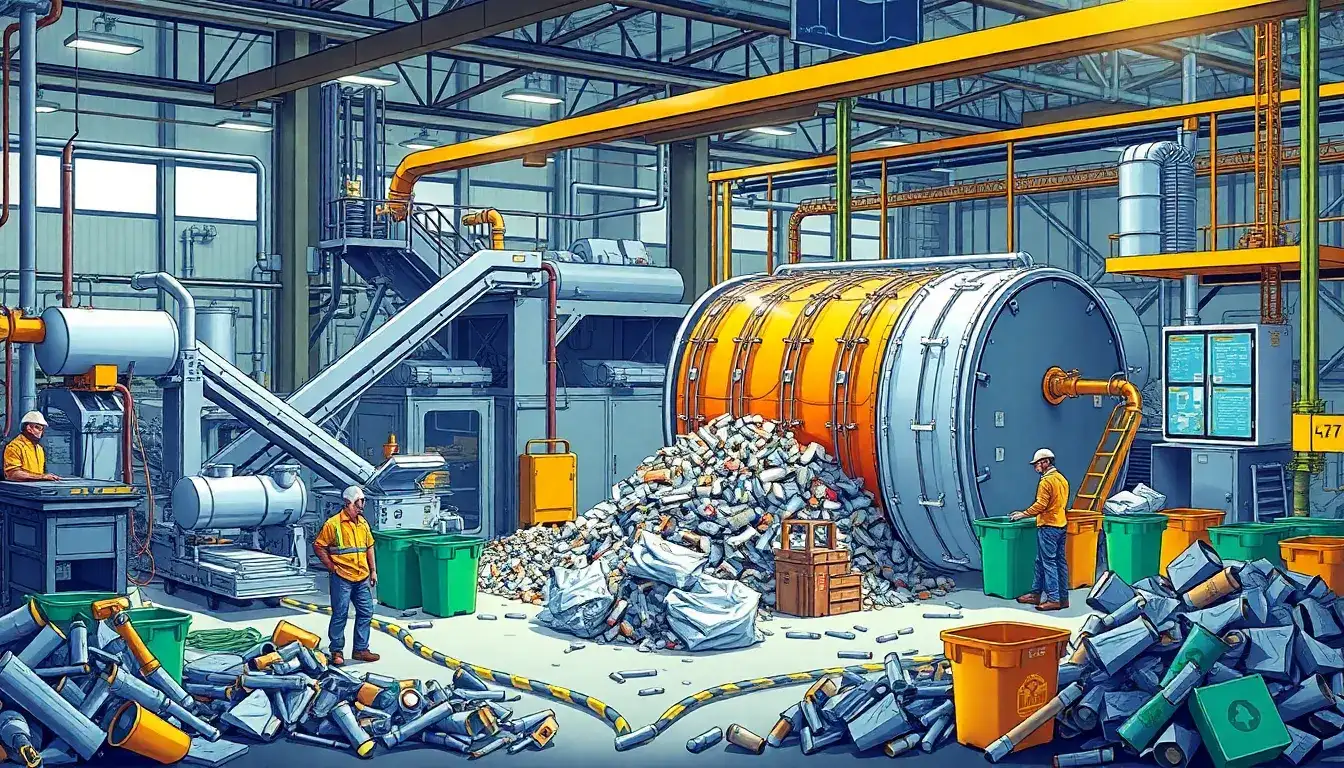
Recycling Iron Flow Batteries
Recycling iron flow batteries presents several potential advantages and challenges:
Advantages:
- Materials: Iron flow batteries use cheaper and more abundant materials, such as iron, salt, and water, which are relatively environmentally benign.
- Design: They have physically separate electrolyte and electrode assemblies, which can make disassembly and recycling easier compared to other types of batteries.
Challenges:
- Technological Immaturity: While the design of iron flow batteries facilitates disassembly, the technology is still evolving, and comprehensive recycling processes have not been extensively developed or standardized.
- Limited Experience: There is limited experience with the end-of-life recycling of these batteries, which means there may be challenges related to scale, cost, and environmental impact that need to be addressed.
- Environmental and Economic Factors: While iron flow batteries have lower environmental impacts during production, the recycling process would need to be economically viable and environmentally responsible to ensure effective material recovery and reuse.
Overall, while iron flow batteries have inherent advantages for recyclability due to their design and materials, challenges remain in scaling and optimizing the recycling process to make it economically and environmentally sustainable.
Original article by NenPower, If reposted, please credit the source: https://nenpower.com/blog/are-there-any-challenges-in-recycling-iron-flow-batteries/

