

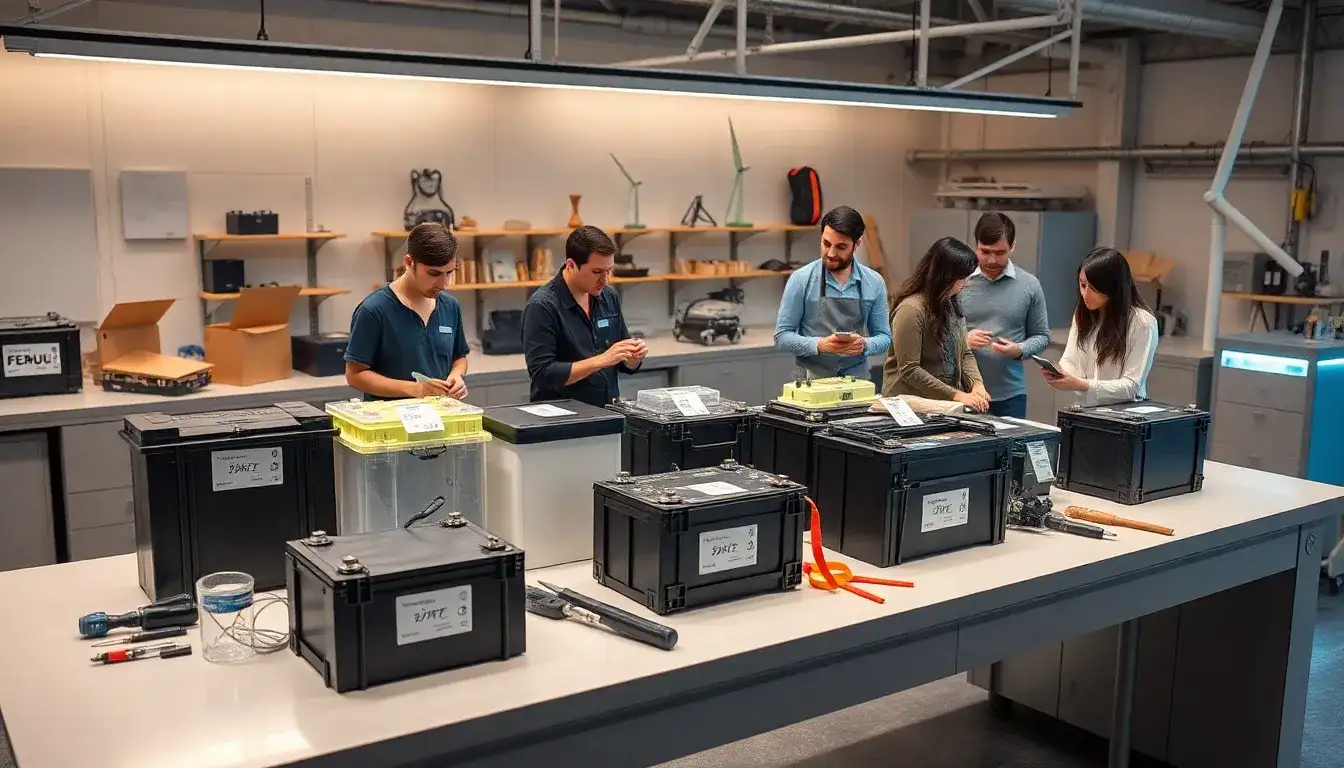
Replacing an electric vehicle (EV) battery can be costly, but several alternatives and emerging technologies offer more affordable options. Here are some key developments:
Affordable Alternatives and Emerging Technologies
Sodium-Ion Batteries
- Affordability: Sodium is much more abundant than lithium, reducing production costs. Companies like JAC, BYD, and CATL are investing in sodium-ion batteries, particularly for cost-effective, short-range EVs.
- Energy Density: Currently, sodium-ion batteries have lower energy density compared to lithium-ion, which can result in shorter vehicle ranges.
Zinc-Air Batteries
- Cost: Zinc is cheaper than lithium, with potential applications in long-term, low-energy devices like watches or hearing aids.
- Safety: Zinc-air batteries are safer and have a higher theoretical energy density but lower power output.
Redox Flow Batteries
- Cost and Application: While not suitable for EVs, redox flow batteries offer a viable solution for stationary energy storage. They are still expensive but more environmentally friendly than fossil fuels.
Recycling and Second-Use Batteries
- Sustainability: Recycling lithium-ion batteries or repurposing them for secondary uses like grid storage can reduce waste and costs.
Emerging Technologies
- Other Alternatives: Silicon-carbon batteries, lithium-sulfur batteries, and graphene batteries are being explored, though they are not yet widely available or affordable for mass use.
In summary, while complete replacement with a new lithium-ion battery remains expensive, emerging technologies like sodium-ion batteries offer promising cost-effective solutions, and recycling or repurposing existing batteries can provide sustainable alternatives.
Original article by NenPower, If reposted, please credit the source: https://nenpower.com/blog/are-there-any-affordable-alternatives-to-replacing-an-ev-battery/

