

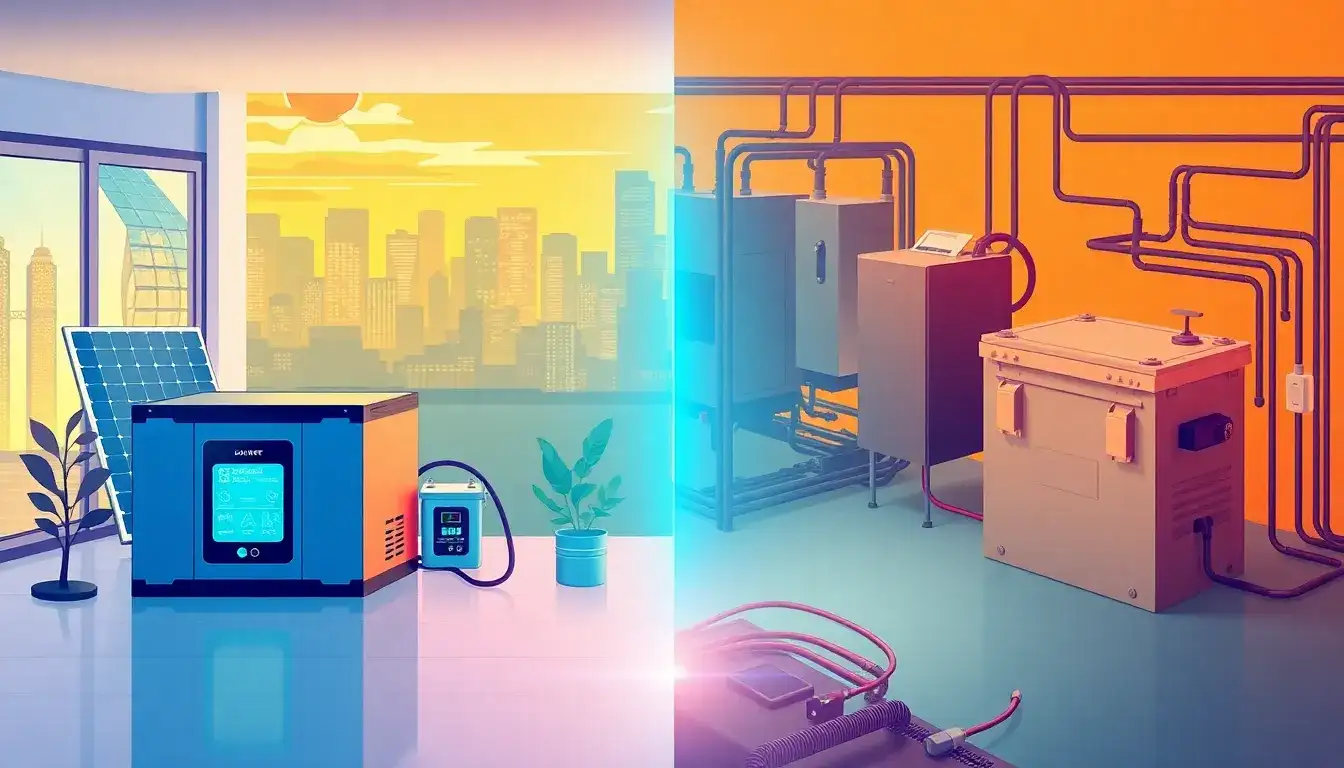
Lithium-ion batteries are generally more reliable than lead-acid batteries for power backup applications due to several key factors:
1. Longer Lifespan
Lithium-ion batteries typically last between 10 to 15 years, whereas lead-acid batteries usually last 3 to 12 years depending on usage and conditions. In fact, lithium-ion batteries can last several times longer because they have higher life cycle numbers, meaning they tolerate many more charge and discharge cycles before their capacity degrades significantly.
2. Higher Efficiency
Lithium-ion batteries have an efficiency of around 95%, while lead-acid batteries have an efficiency between 80% and 85%. This means lithium-ion batteries lose less energy during charging and discharging, making them more effective at storing and delivering usable power.
3. Better Depth of Discharge
Lithium-ion batteries can safely be discharged to about 85% of their capacity without damage, whereas lead-acid batteries are typically limited to 50%. This allows lithium-ion systems to utilize more of their stored energy for backup power.
4. Superior Energy Density and Capacity
Lithium-ion batteries store more energy in the same physical volume compared to lead-acid batteries. This translates to longer backup time and smaller, lighter battery systems.
5. Performance in Various Conditions
Lithium-ion batteries perform better in higher temperature environments, maintaining their capacity and cycle life better than lead-acid batteries, which degrade faster at elevated temperatures.
6. Cost Consideration
While lithium-ion batteries have a higher upfront cost ($5,000 – $15,000) compared to lead-acid batteries ($500 – $1,000+), their longer lifespan, higher efficiency, and lower maintenance requirements often make them more cost-effective over time.
Summary Comparison Table
| Feature | Lithium-ion Battery | Lead-acid Battery |
|---|---|---|
| Lifespan | 10-15 years | 3-12 years |
| Efficiency | ~95% | 80-85% |
| Depth of Discharge | ~85% | ~50% |
| Energy Density | Higher (more energy per size) | Lower |
| Temperature Tolerance | Better at high temps | Degrades faster |
| Upfront Cost | Higher | Lower |
Conclusion:
For power backup needs, lithium-ion batteries offer greater reliability, efficiency, and longevity than lead-acid batteries. They provide more usable energy capacity, longer service life, and better performance under stress, making them a superior choice where budget allows. Lead-acid batteries may still be considered for less frequent use or low-budget situations, but overall lithium-ion technology is the preferred option for dependable power backup systems.
Original article by NenPower, If reposted, please credit the source: https://nenpower.com/blog/are-lithium-ion-batteries-more-reliable-than-lead-acid-batteries-for-power-backups/

