

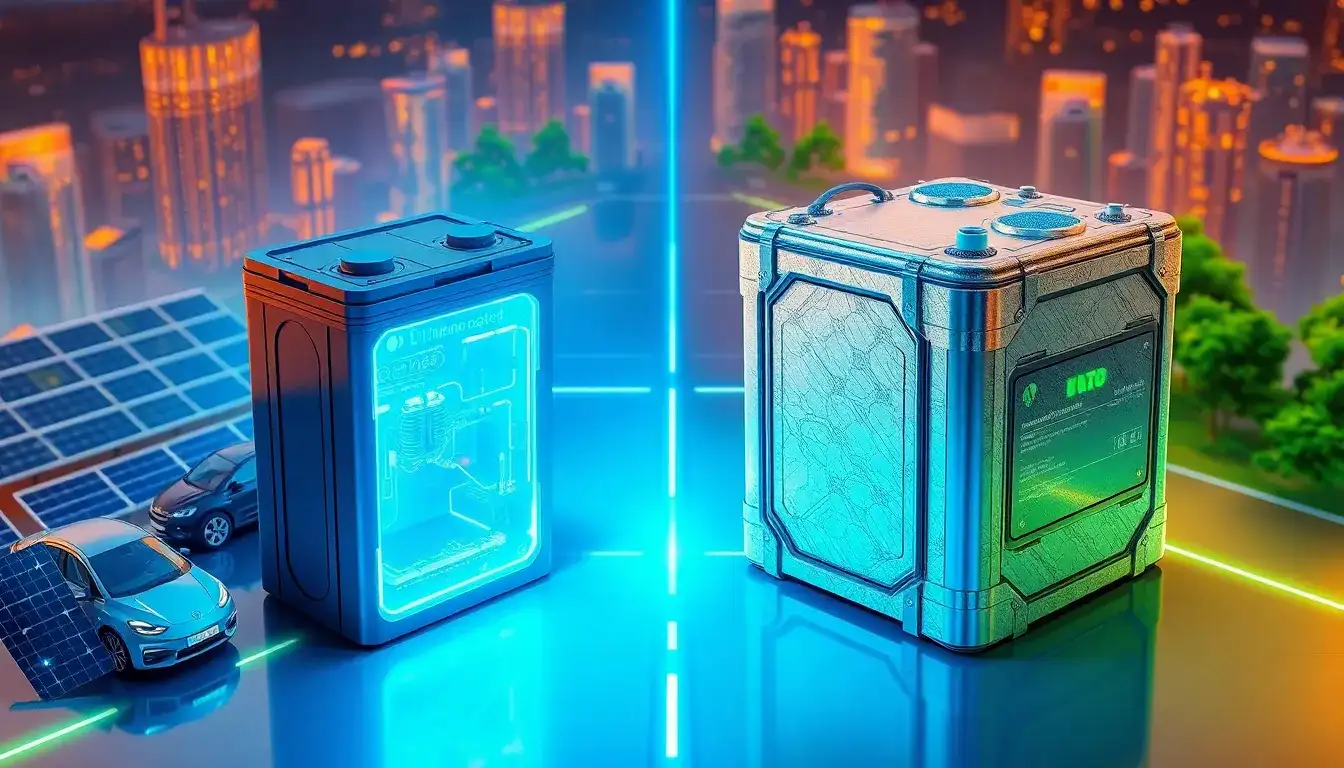
Lithium-ion (Li-ion) batteries are generally more cost-effective in the long run compared to nickel-cadmium (NiCd) batteries, despite NiCd batteries having a lower upfront cost. This long-term cost-effectiveness for Li-ion batteries arises from several key factors:
Cost Comparison and Lifespan
- Initial Cost: NiCd batteries are cheaper to purchase initially than Li-ion batteries, making them more cost-effective for specific, short-term applications.
- Lifespan and Cycle Life: Although the lifespan of Li-ion batteries was once considered shorter, modern Li-ion batteries typically have a longer cycle life and can endure more charge-discharge cycles than NiCd batteries. This means Li-ion batteries require fewer replacements over time, reducing overall lifecycle costs.
Performance and Efficiency
- Energy Density: Li-ion batteries have a much higher energy density than NiCd batteries. They can store more energy in a smaller, lighter package, which is beneficial for applications where weight and space are critical, such as portable devices and electric vehicles.
- Self-Discharge Rate: Li-ion batteries have a significantly lower self-discharge rate, meaning they retain charge longer when not in use, improving efficiency and reducing the need for frequent recharging compared to NiCd batteries, which lose charge faster.
- Charging Speed: Li-ion batteries can be charged faster than NiCd batteries, contributing to better usability and less downtime.
Environmental and Safety Considerations
- Environmental Impact: NiCd batteries contain toxic cadmium, posing environmental hazards during manufacture, use, and disposal. Li-ion batteries are considered more environmentally friendly, which can incur lower environmental compliance and disposal costs over time.
- Safety: NiCd batteries are generally more stable and less prone to thermal runaway than Li-ion batteries, but with proper management, Li-ion battery safety has improved significantly, making them safe for widespread use.
Applications and Suitability
Li-ion batteries suit a wider range of applications today, including consumer electronics, electric vehicles, and renewable energy storage, where their higher performance compensates for higher initial costs. NiCd batteries tend to be used in niche applications like emergency backup power and some medical equipment where cost and stability are prioritized.
Summary Table of Cost-Effectiveness Factors
| Aspect | Lithium-ion Battery | Nickel-Cadmium Battery |
|---|---|---|
| Initial Cost | Higher upfront cost | Lower upfront cost |
| Cycle Life | Longer, more charge-discharge cycles | Moderate lifespan |
| Energy Density | High, lighter and smaller | Moderate, heavier |
| Self-Discharge Rate | Low — holds charge longer | High — loses charge faster |
| Charging Speed | Fast charging | Slower charging |
| Environmental Impact | Lower (less toxic materials) | Higher (toxic cadmium) |
| Long-Term Cost | More cost-effective over time due to longevity and efficiency | Less cost-effective due to shorter life and environmental costs |
Conclusion
While NiCd batteries are less expensive upfront, lithium-ion batteries provide greater long-term cost-effectiveness because of their higher energy density, longer lifespan, lower self-discharge, faster charging, and reduced environmental impacts. These benefits translate into fewer replacements, operational savings, and suitability for modern applications, outweighing their initial higher cost.
Original article by NenPower, If reposted, please credit the source: https://nenpower.com/blog/are-lithium-ion-batteries-more-cost-effective-in-the-long-run-compared-to-nickel-cadmium-batteries/

