

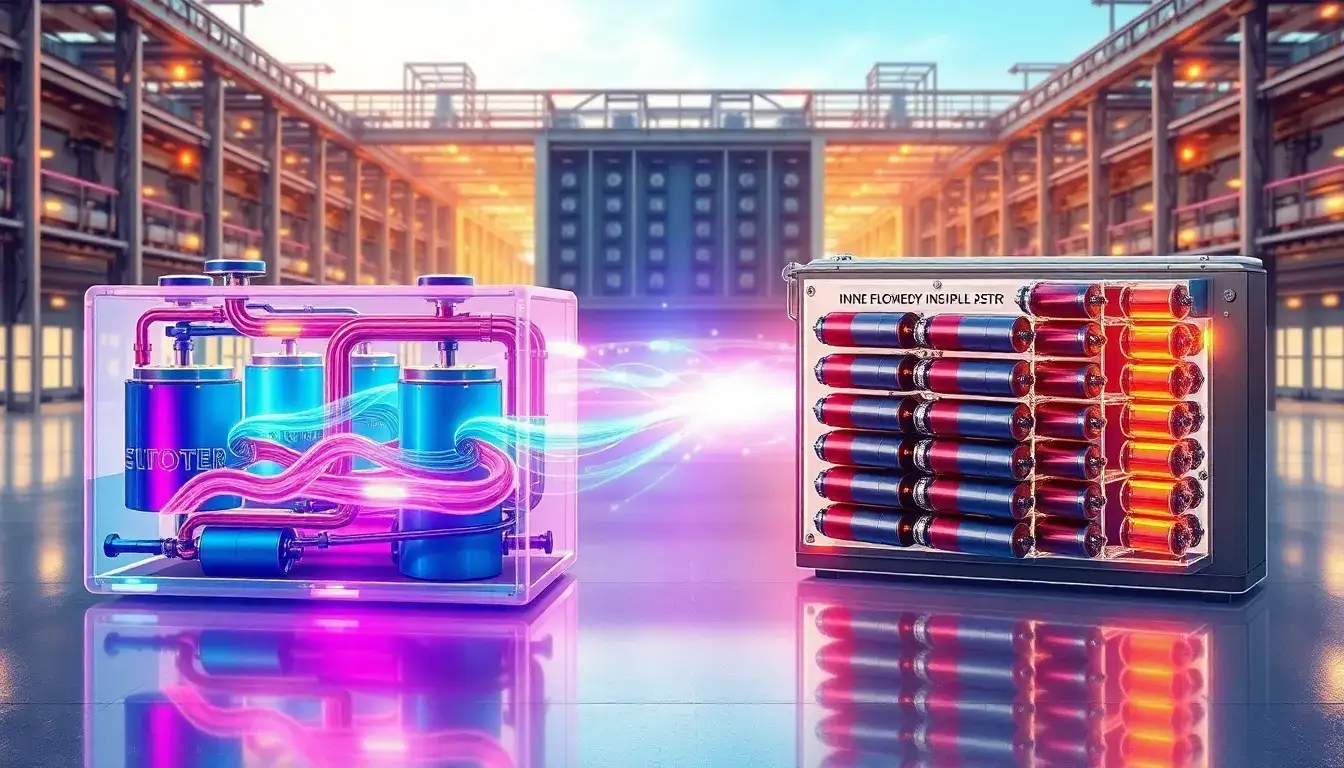
Iron flow batteries are becoming increasingly cost-effective for large-scale energy storage compared to lithium-ion batteries, particularly as the technology advances. Here are some key factors to consider in this comparison:
Key Differences and Advantages of Iron Flow Batteries
- Cost-Effectiveness and Scalability:
- Iron Flow Batteries: The cost per unit of electricity can be lower for iron flow batteries, especially at larger scales, due to their ability to store energy for extended durations (up to 12 hours) and their use of inexpensive materials like iron, salt, and water. They also offer a lower levelized cost of storage because they have a long asset life (around 25 years) with minimal maintenance, which reduces long-term operational expenses.
- Lithium-Ion Batteries: While lithium-ion batteries have higher upfront costs due to materials like lithium and cobalt, their costs have decreased over time due to economies of scale from widespread adoption. However, lithium-ion batteries become more expensive as they are scaled up because they need more of these costly materials.
- Safety and Environmental Impact:
- Iron Flow Batteries: They are non-flammable, non-toxic, and have no risk of explosions, making them safer than lithium-ion batteries. Iron flow batteries also have environmentally friendly production and disposal processes, using abundant and inexpensive materials.
- Lithium-Ion Batteries: These batteries pose fire and explosion risks due to their flammable electrolytes and can have significant environmental impacts due to lithium mining and battery disposal challenges.
- Longevity and Cycle Life:
- Iron Flow Batteries: Offer virtually unlimited cycle life with minimal degradation over a long lifespan, typically exceeding 20 years without significant performance loss.
- Lithium-Ion Batteries: Typically last for about 7 to 10 years with around 7,000 cycles, experiencing noticeable capacity degradation over time.
- Duration of Energy Storage:
- Iron Flow Batteries: Designed for long-duration energy storage (up to 12 hours), making them ideal for stabilizing grid fluctuations from renewable sources.
- Lithium-Ion Batteries: Generally more suited for short-duration energy storage (typically up to 4 hours), though they excel in applications requiring high power density like electric vehicles.
In summary, iron flow batteries are becoming more cost-effective for large-scale energy storage due to their long-duration storage capabilities, safety, environmental sustainability, and reduced long-term costs. However, lithium-ion batteries remain more versatile for applications requiring high power density and faster charging/discharge cycles.
Original article by NenPower, If reposted, please credit the source: https://nenpower.com/blog/are-iron-flow-batteries-more-cost-effective-than-lithium-ion-batteries-for-large-scale-energy-storage/

