

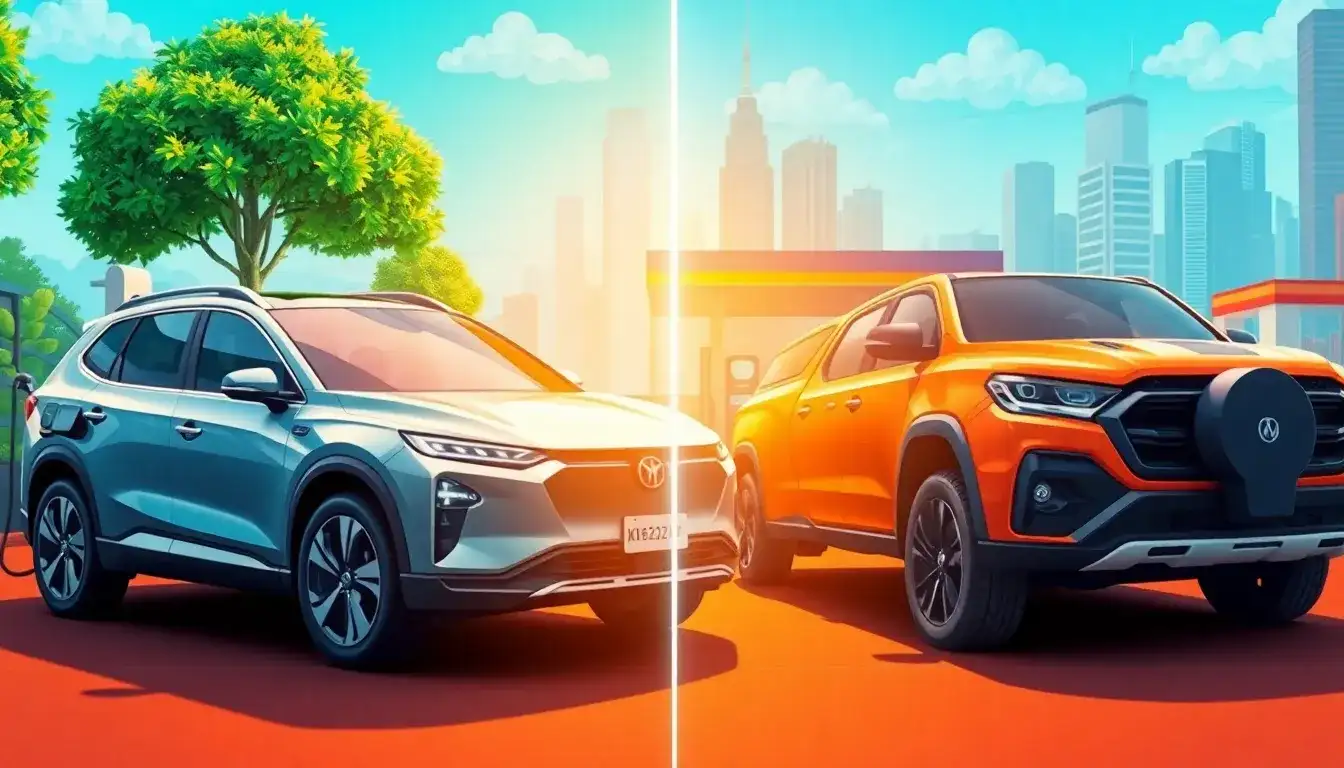
Reliability Comparison of Hybrid SUVs vs Traditional SUVs
- Standard Hybrids vs Gas-Only SUVs:
Standard hybrids, which use a gasoline engine combined with an electric motor but cannot be plugged in, are often as reliable as traditional gas SUVs. Consumer Reports data shows that hybrids, as a category, have reliability comparable to nonhybrid gas vehicles. Additionally, Car and Driver reports that hybrid cars have about 26% fewer issues on average than their gasoline-only counterparts, partly due to less wear on components like brakes thanks to regenerative braking systems. - Plug-in Hybrids (PHEVs):
Plug-in hybrids, which combine gasoline and electric powertrains but require external charging, tend to have more complex systems. This complexity can lead to higher chances of mechanical or electrical problems compared to both standard hybrids and traditional vehicles. Consumer Reports notes that PHEVs typically have more issues than gas-only or regular hybrid vehicles, although their reliability is improving and some models, like the Toyota RAV4 Prime PHEV, rank among the most reliable in surveys. However, some PHEVs, such as the Mazda CX-90 PHEV, have been reported with significant reliability issues because of unique hybrid systems and new technologies. - Model-Specific Reliability:
Certain hybrid SUVs are well-regarded for their fault-free reliability. For example, the previous-generation Lexus NX hybrid SUV has an excellent reliability record with virtually no reported issues, outperforming newer versions and many competitors. Similarly, Lexus ES hybrids score very high in reliability surveys.
Reasons Hybrids Can Be More Reliable
- Hybrid vehicles reduce wear on certain components due to regenerative braking, extending brake life significantly.
- Hybrids often omit or simplify some mechanical parts compared to traditional vehicles, such as the absence of engine drive belts, starters, alternators, and sometimes automatic transmissions, which can reduce potential failure points.
- Many hybrids have proven longevity and reliability through decades of technological refinement in brands like Toyota, Lexus, and Honda.
Summary
| Vehicle Type | Reliability Overview | Notes |
|---|---|---|
| Standard Hybrids | Generally as reliable or more reliable than gas SUVs | Benefit from fewer mechanical issues and regenerative braking |
| Plug-in Hybrids | More complex, typically less reliable than standard hybrids and gas SUVs | Reliability varies by model; improving over time |
| Traditional SUVs | Reliable but may have more mechanical wear | Simpler technology but more wear on brakes and engine parts |
In conclusion, standard hybrid SUVs tend to be as reliable or more reliable than traditional gasoline SUVs, largely due to reduced mechanical wear and fewer failing components. Plug-in hybrids, while improving, still can present more reliability challenges due to their more complex systems. Specific hybrid models from reputable brands are noted for exceptional reliability records.
Original article by NenPower, If reposted, please credit the source: https://nenpower.com/blog/are-hybrid-suvs-more-reliable-than-traditional-ones/

