

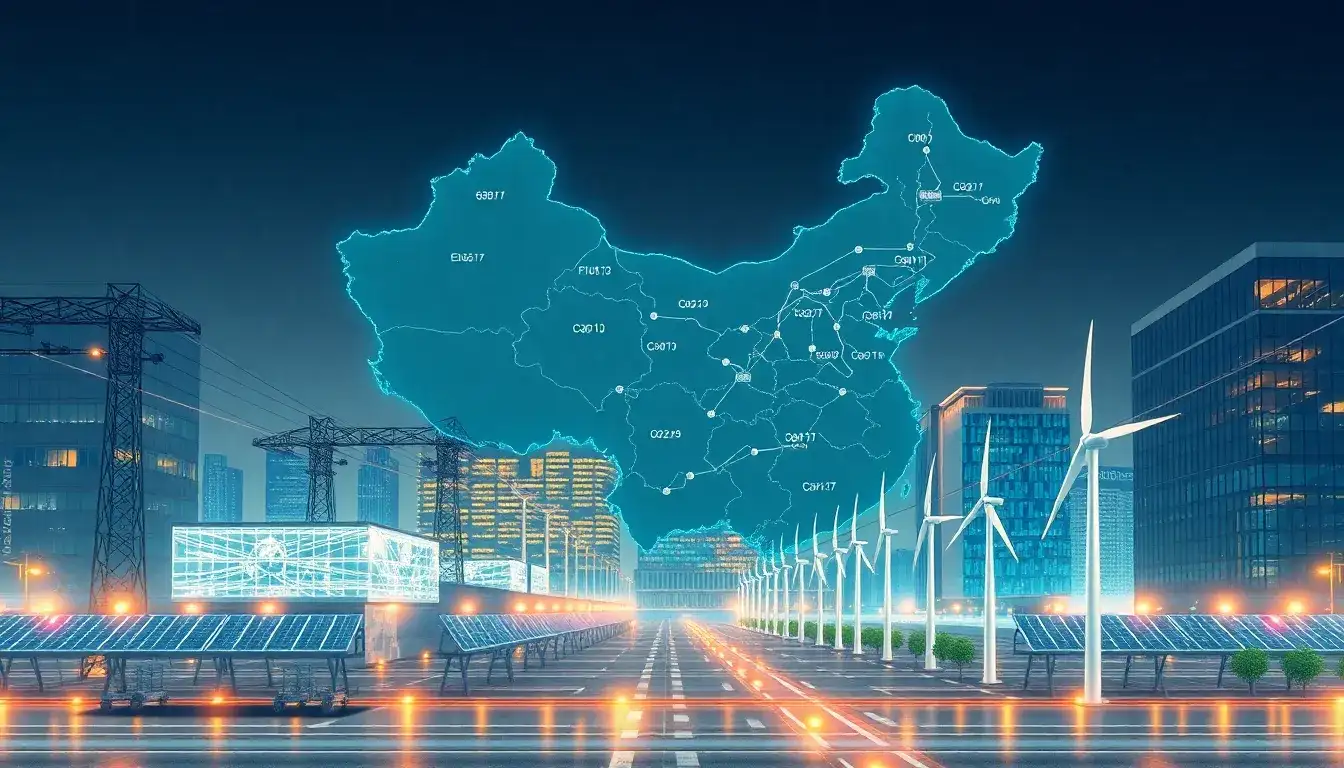
AI+Energy Initiative: Enhancing Efficiency and Security in Energy Systems
As of October 18, 2025, the integration of AI technology into energy systems is gaining momentum, driven by a growing demand for efficiency, security, and sustainability. The AI and energy sectors are increasingly converging, reshaping traditional operational models and offering new avenues for improvement.
The National Development and Reform Commission recently launched the “Artificial Intelligence + Energy” initiative, which aims to elevate the quality of energy resources and enhance operational efficiency. By 2027, the goal is to establish five major energy enterprise models and ten key renewable energy projects while exploring 100 innovative market landscapes.
By 2030, the overall AI technology in energy systems is expected to reach a global standard, integrating seamlessly with computational and electrical technologies. The emphasis will be on smart energy management systems, with AI playing a crucial role in optimizing energy generation and utilization.
Currently, companies are exploring how AI can enhance energy efficiency in various applications. Key topics being discussed include AI’s role in predictive maintenance and monitoring, assessing the health of energy storage systems, and improving operational reliability. The potential for AI to streamline energy management processes and enhance decision-making is significant.
For example, companies like Huangshan Energy (688411.SH) are leveraging AI to develop advanced energy management systems. They plan to enhance operational efficiency significantly over the next few years. Similarly, Beijing Energy (300750.SZ) aims to integrate AI into their energy systems to improve safety and reliability.
The AI technology is expected to revolutionize predictive maintenance in energy storage systems, optimizing their lifecycle and reducing operational risks. By implementing AI solutions, energy enterprises can enhance data processing capabilities, boost operational efficiency, and ultimately reduce costs.
As companies continue to adopt AI technologies, the focus will remain on ensuring safety and compliance while maximizing the benefits of advanced data analytics. This will involve establishing robust data governance frameworks to protect sensitive information and ensure the integrity of energy management systems.
In the ongoing journey towards integrating AI into energy systems, the collaborative efforts among companies, research institutions, and regulatory bodies will be essential. Through these partnerships, the energy sector can harness the full potential of AI to create a sustainable and efficient energy future.
As advancements in AI technology continue, stakeholders must remain vigilant to address security concerns and ensure the resilience of energy systems against evolving threats.
For further insights into the implications of AI in the energy sector, stay tuned to developments from leading firms and industry experts.
Original article by NenPower, If reposted, please credit the source: https://nenpower.com/blog/ai-enhanced-energy-management-chinas-strategic-shift-towards-intelligent-power-systems/

