

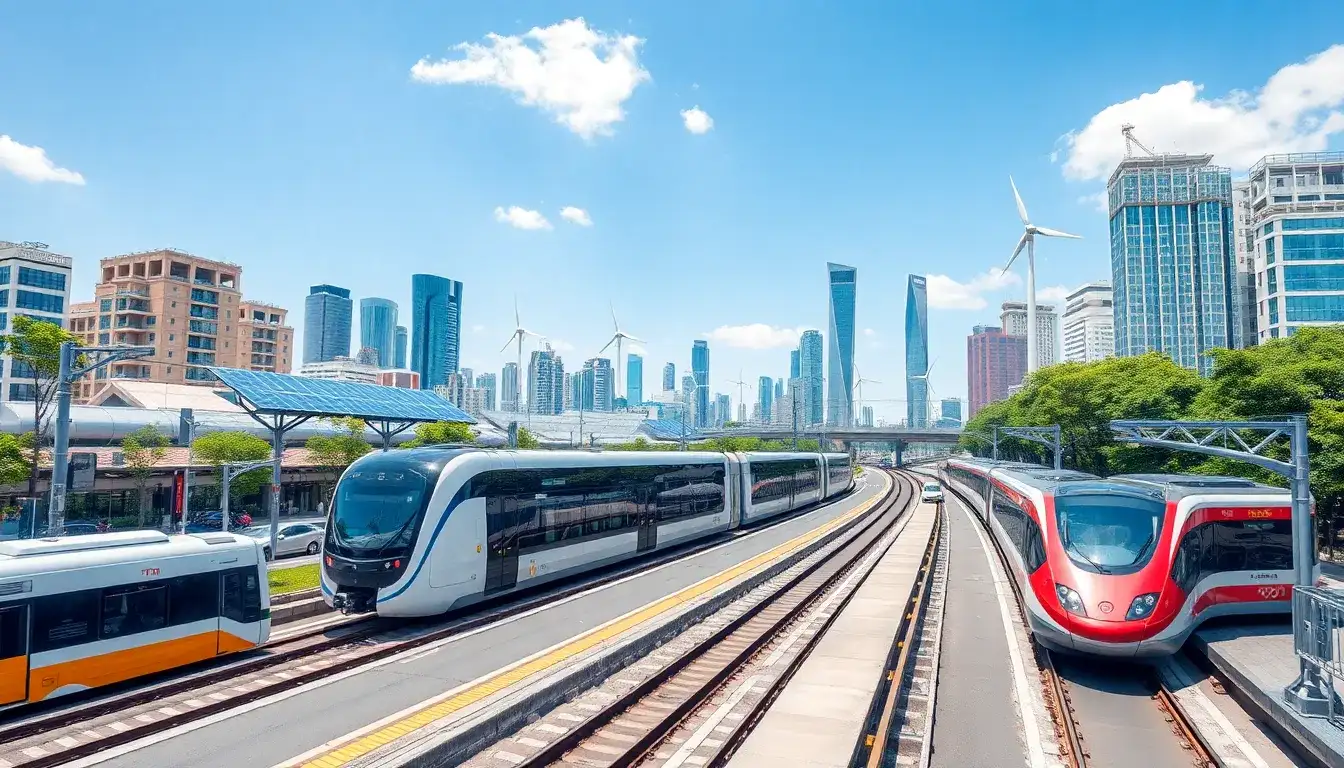
On May 20, 2025, the Ministry of Transport announced the release of a guiding document titled “Guiding Opinions on Promoting Transportation and Energy Integration Development.” This document outlines the ministry’s strategic direction for improving transportation infrastructure and integrating energy sources.
The Ministry of Transport recently held a specialized conference to discuss the implementation of these guidelines, focusing on the integration of transportation and energy sectors. According to their new data, the country’s transportation infrastructure has significantly improved. Currently, the installed capacity of renewable energy exceeds 890 million kilowatts, with the cumulative construction of electric vehicle charging points reaching 3.5 million. Additionally, the number of electric buses has reached approximately 510,000, and the market share of new energy vehicles has climbed to 77.6%. There are over 430 operational renewable energy vessels, and the electrification rate of railways has reached 75.3%.
As stated by the ministry, “The high-level integration of transportation and energy is crucial for advancing infrastructure projects and continuously enhancing the supply of energy to the transportation sector.” The ministry emphasized the need for consistent efforts to promote energy integration and improve transportation services.
The guidelines call for the establishment of an integrated framework that links transportation infrastructure with energy sources. This includes the development of charging stations along major transport routes and strengthening regulations regarding energy networks, ensuring a secure and stable supply of energy.
Furthermore, the ministry plans to enhance the efficiency of transportation systems while simultaneously promoting the use of new energy vehicles. Expert opinions suggest that by 2035, the integration of transportation and energy systems will be a priority, with an emphasis on reducing carbon emissions.
The ministry also underscored the importance of promoting new energy vehicles in urban environments, particularly in major cities, ports, and airports. This initiative aims to facilitate quicker adoption of electric vehicles and promote their use across various sectors.
In conclusion, the promotion of transportation and energy integration is expected to play a significant role in achieving national energy goals. The ministry is committed to implementing new energy vehicle initiatives that align with the broader objectives of reducing emissions and enhancing energy efficiency.
Original article by NenPower, If reposted, please credit the source: https://nenpower.com/blog/advancements-in-transportation-and-energy-integration-in-china/

