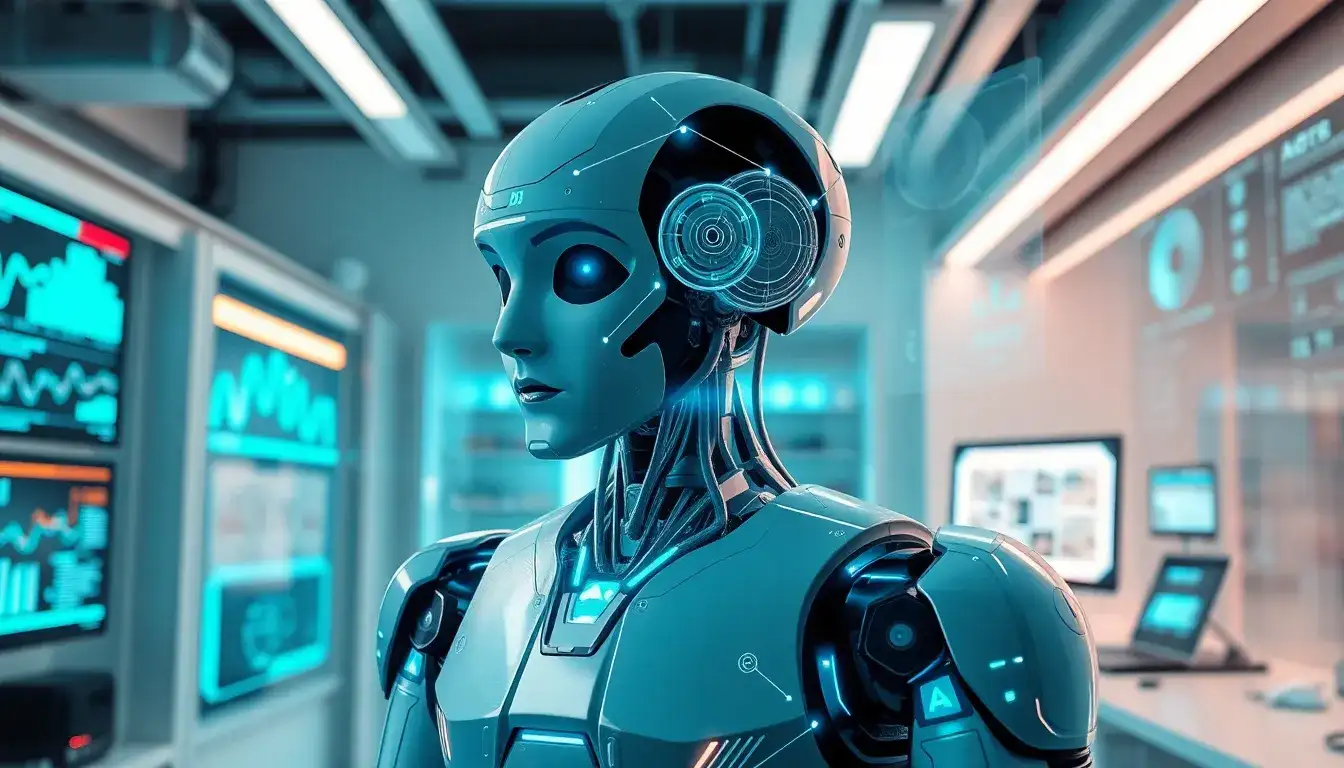
Optimus V3 is a highly anticipated humanoid robot developed by Tesla. Launched on April 6, 2026, it aims to revolutionize the robotics industry by enhancing productivity in various sectors. The robot is designed to perform tasks alongside humans, potentially replacing manual labor in environments such as manufacturing and logistics.
During a recent report on February 25, 2026, it was suggested that the introduction of humanoid robots like Optimus could significantly change the workforce dynamics, especially in terms of efficiency and productivity. Experts predict that the market for these robots will expand rapidly, with Tesla positioning itself as a leader in this sector.
According to the report, the business model for humanoid robots is expected to revolve around high-value tasks that require significant cognitive and physical capabilities. The market is projected to differentiate based on the size and scale of operations, leading to various applications across different industries.
The analysis indicated that the potential applications for humanoid robots could be categorized into four major segments:
- ToB (Business to Business) for large enterprises, focusing on guidance and operational efficiency.
- ToB for small enterprises, which will require specialized solutions.
- ToC (Business to Consumer) for large markets, emphasizing individual use cases.
- ToC for small markets, focusing on home assistance and personal care.
As the development progresses, Tesla’s approach to humanoid robots like Optimus is not just about automation but also about creating systems that can work in tandem with human operators. The goal is to enhance productivity while ensuring safety and reliability in various operational environments.
Moreover, in a recent presentation, it was stated that Tesla’s Optimus robot would be capable of performing complex tasks in dynamic environments, providing significant value to businesses by improving operational efficiency. The robot’s development is supported by advancements in AI and machine learning, making it adaptable to different working conditions.
With the expected launch of Optimus V3 in 2026, the robotics industry is set to see a substantial shift, as companies look to integrate these advanced humanoid robots into their workflows, ultimately aiming to streamline processes and improve productivity.
For further updates on Optimus V3, stay tuned to Tesla’s official communications.
Original article by NenPower, If reposted, please credit the source: https://nenpower.com/blog/advancements-in-robotics-the-launch-of-optimus-v3-and-future-implications-for-ai-integration/