

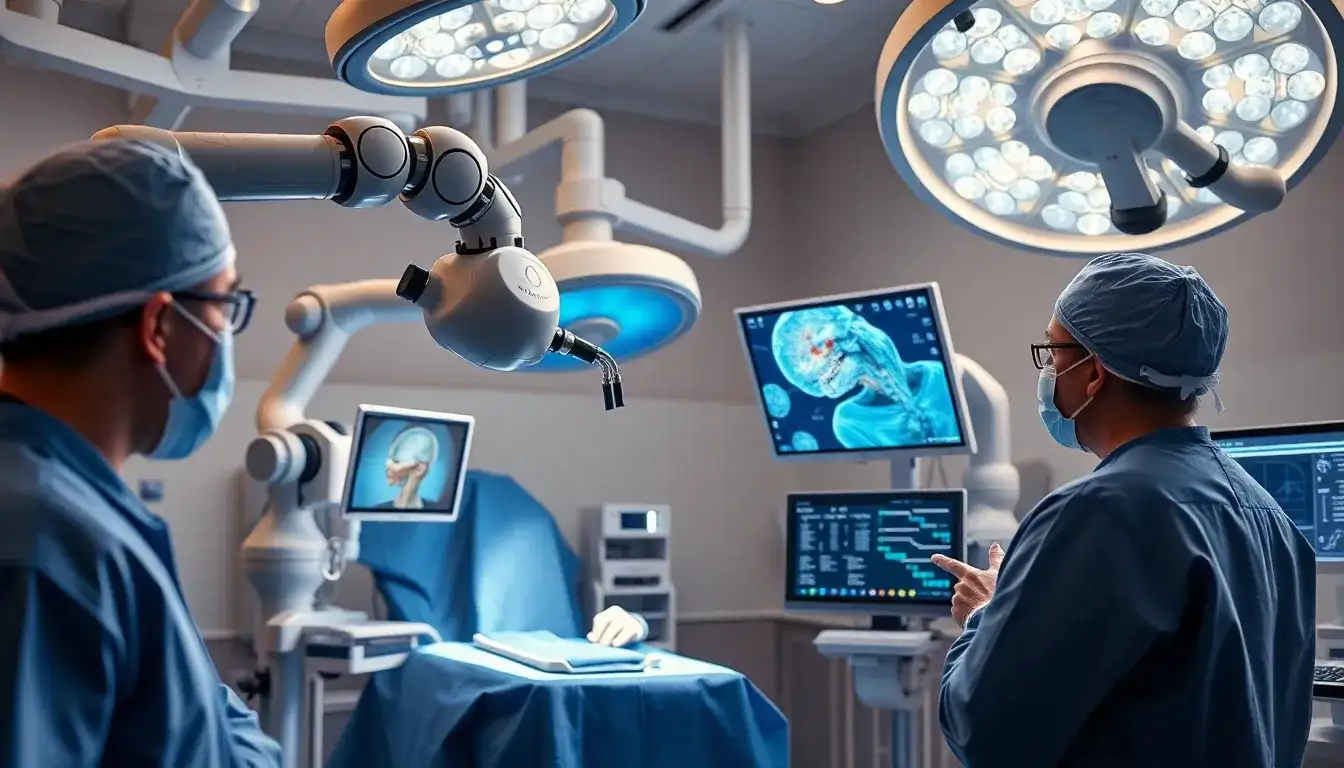
Robotic Surgery is here to stay, and there’s no need for a pilot! The da Vinci Surgical System has once again introduced advanced capabilities. Will this innovation become a reality?
On January 27, 2026, at 15:29, the first financial news on the new surgical capabilities was released through the New Wave Finance App. According to Intuitive Surgical, the company behind the da Vinci system, the FDA has recently approved the latest model of the da Vinci system, the da Vinci 5. This system will be officially launched on January 26 and is designed to assist in various surgeries, including heart valve repairs and reconstruction of the aorta.
This will also mark the first formal approval of the da Vinci system for heart surgery. Reports indicate that over 140,000 procedures have already been performed using this surgical robot. The system’s computational capabilities have been enhanced, increasing its efficiency by 1 million procedures annually.
Every year, approximately 1.8 million people die from heart disease, with over 200,000 patients receiving heart surgery. Most of these surgeries involve open-heart procedures. The use of robotic systems for minimally invasive heart surgery can significantly reduce patient recovery time and complications. This new approval is a crucial step in the evolution of robotic surgery.
Since its inception in 2002, the da Vinci system has been the first generation of robotic-assisted surgery. However, due to the limitations of first-generation technologies and the lack of adequate training and support systems, the focus was primarily on transitioning from traditional surgery to robotic surgery.
According to a report by Truist Securities, the da Vinci 5 is expected to further enhance the capabilities of robotic surgery, potentially advancing market share for the company in the coming years. Other medical giants are also developing robotic surgery systems, and they may influence the growth of the da Vinci 5 system in the market.
Recent projections indicate that by 2026, the number of surgical procedures performed using robotic systems will increase by 13% to 15%.
In conclusion, the future of robotic surgery looks promising, with advancements expected to lead to a higher acceptance and usage rate in the medical field. The integration of robotic systems into traditional surgical practices will likely provide patients with enhanced surgical precision and improved outcomes.
Original article by NenPower, If reposted, please credit the source: https://nenpower.com/blog/advancements-in-robotic-surgery-the-fda-approves-new-da-vinci-system-enhancements/

