

Precision in Measurement Systems: A Review
Author: Technology Insights
Date: March 17, 2026
In recent developments in measurement technologies, advancements in measurement systems have been highlighted, particularly regarding precision testing equipment. With the increasing speed of automation in industries, the demand for precision measurement has become critical. For instance, an automated vehicle recently achieved speeds of 35 kilometers per hour at a test track, where the precision of measurements was vital for operational stability.
The measurements were accurate within a range of 165 micrometers to 167 micrometers, which is essential for ensuring the vehicle’s performance is both safe and stable. Such precision is reliant on advanced modeling techniques that connect numerical processing with our sophisticated world.
High-precision data converters, amplifiers, and integrated circuits (ICs) contribute to the generation of accurate signals for measuring various parameters such as temperature, humidity, voltage, current, distance, and location. These models work in conjunction with circuit boards, providing system-level precision, thereby allowing numerical systems to effectively produce intelligent algorithms.
However, before implementing these models, it is critical to utilize high-precision testing equipment to validate performance and accuracy. Automated test equipment (ATE), precision oscilloscopes, and numerical analysis tools are essential for verifying the performance of electronic products. Any inaccuracies can lead to significant product failures and loss of reliability, which can jeopardize customer trust.
Continuous pursuit of precision is emphasized by Karthik Vasanth, who stated, “The focus on achieving device dimensions at 1.5 nm level is paramount. The distance between two silicon atoms is approximately 0.23 nm, making this challenge substantial.”
For testing methodologies, it is essential that designs evolve to meet the higher specifications demanded by modern technology. Engineers are tasked with creating measurement setups that enhance bandwidth, speed, and resolution. The ATE systems provided by companies like National Instruments (NI) allow engineers to focus on delivering high-performance, automated testing solutions.
Robert Manion from Emerson highlights that as technology progresses, measurement systems must adapt to meet the increasing complexity of devices. The design of these systems must ensure that every parameter is accurately measured to maintain reliability.
As the industry evolves, the precision in measurements becomes even more crucial, particularly in sectors such as automotive, telecommunications, and consumer electronics. Continuous advancements in technology and methodologies will ensure that measurement systems keep pace with demands for higher accuracy and efficiency.
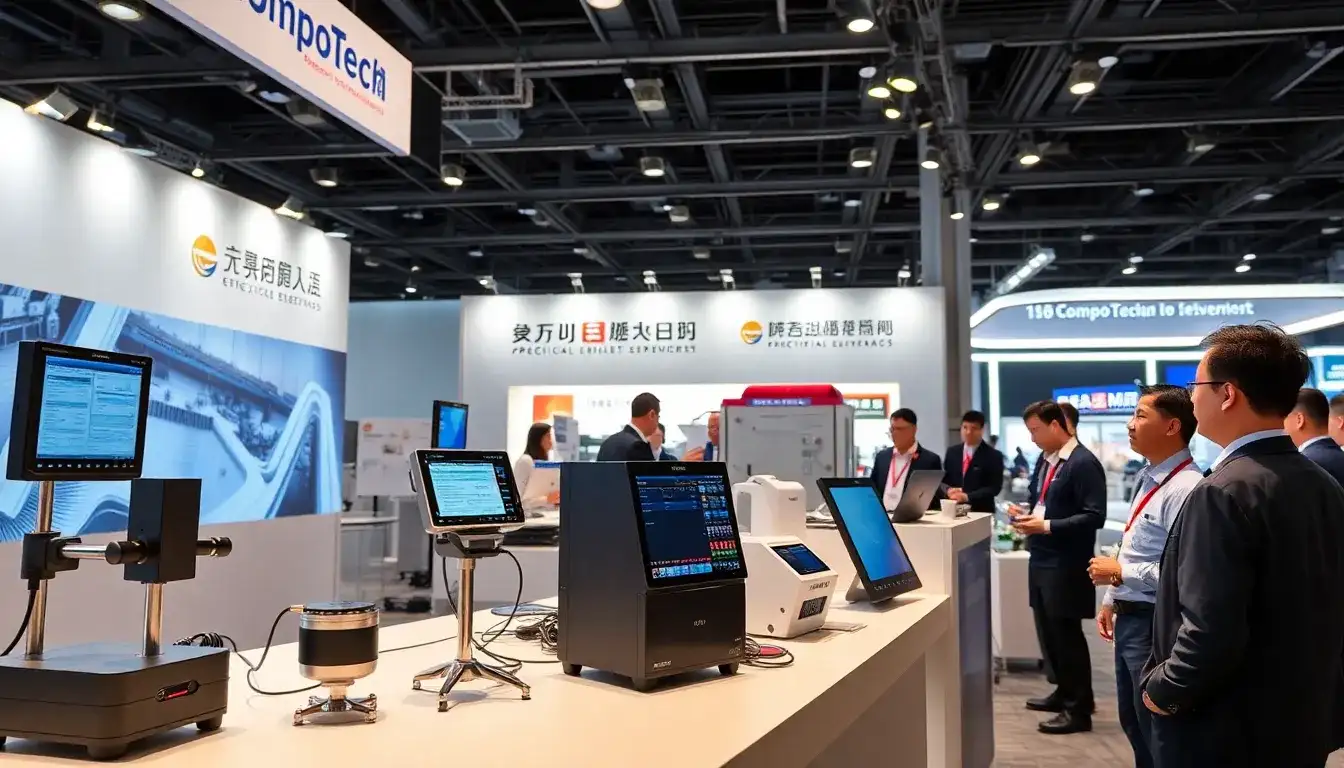
For further information about precision measurement systems and to explore more about the latest advancements, visit CompoTech China.
Original article by NenPower, If reposted, please credit the source: https://nenpower.com/blog/advancements-in-precision-measurement-technology-at-compotech-china-2026/

