

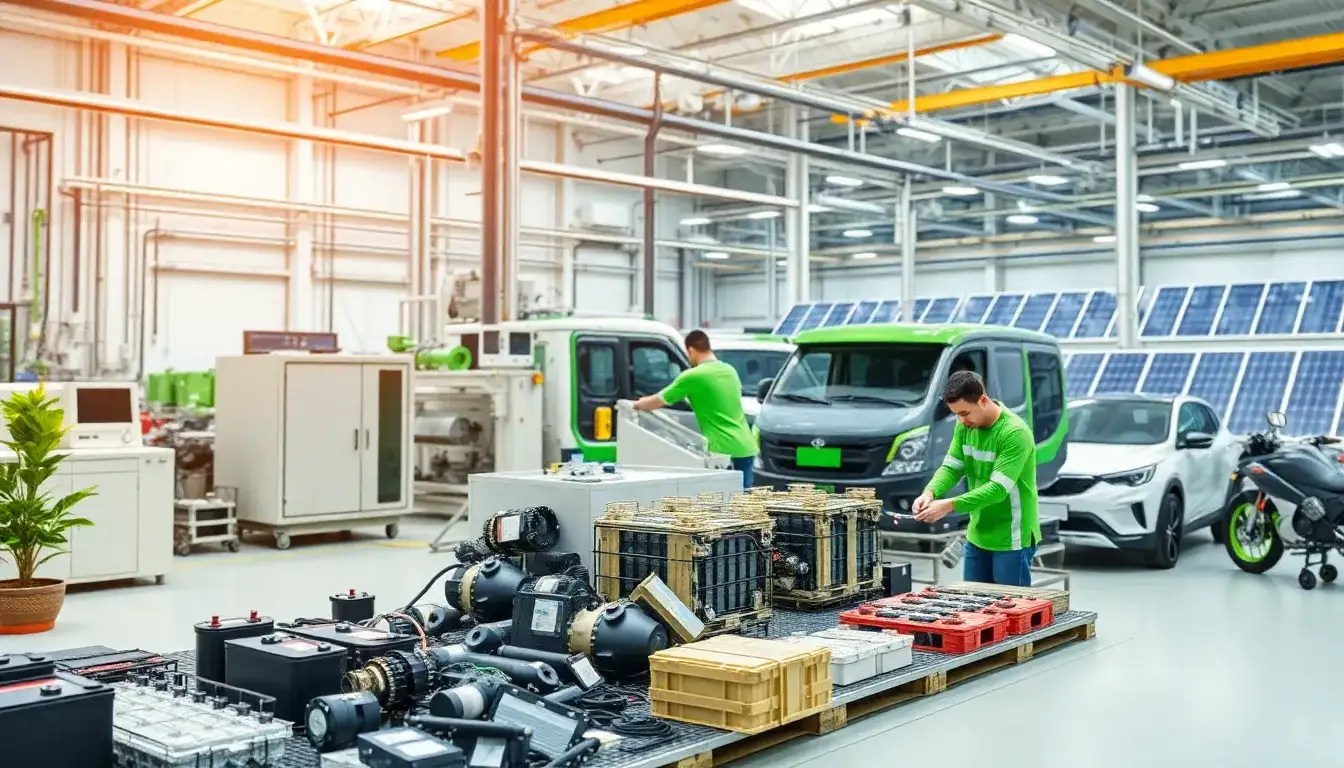
Large-scale retirement of power batteries is prompting the rapid advancement of the recycling and utilization system, as emphasized in the first meeting of the national working group on the recycling and utilization of power batteries for new energy vehicles held on May 26. The focus of the industry is on how to enhance the recycling and utilization of these batteries.
Retirement Wave: The Future of New Energy Power Batteries
According to regulations from the Ministry of Industry and Information Technology, since 2016, passenger car manufacturers are required to provide an 8-year or 120,000-kilometer warranty for core components like batteries. As this “eight-year promise” comes to an end, many power batteries are reaching the end of their service life.
Data indicates that by the end of 2024, the number of new energy vehicles in the country will reach 31.4 million, making it the global leader in power battery installations. As time progresses, an increasing number of power batteries will begin their retirement cycle. The China Business Industry Research Institute predicts that by 2025, retired power batteries in China will total 1.04 million tons, with this figure potentially rising to 3.5 million tons by 2030. Addressing the disposal of these retired batteries is now a pressing question.
Retired Power Batteries: Environmental Risks and Resource Opportunities
The rapidly growing market for new energy vehicles presents significant pressure due to the mass retirement of power batteries. The environmental implications must be a primary concern, as heavy metals, electrolyte solutes, and organic solvents in batteries can be harmful pollutants. For instance, a 20-gram mobile phone battery can contaminate one square kilometer of land for approximately 50 years, while a single new energy vehicle battery can weigh several hundred kilograms, posing an even greater environmental threat.
Analyst Li Zizhuo from East Asia Qianhai Securities points out that the main pollutants in lithium-ion batteries come from their cathode materials and electrolytes. Cobalt, a toxic substance found in ternary cathode materials, along with nickel and manganese, can pollute the soil. Additionally, common electrolytes like lithium hexafluorophosphate can generate hydrochloric acid upon contact with water, further contributing to environmental pollution. If retired batteries are not recycled properly, it could lead to severe environmental issues.
However, from the perspective of resource recovery, while some retired power batteries can no longer power new energy vehicles, they can still be utilized in energy storage systems or low-speed electric vehicles after inspection and refurbishment, thus achieving a tiered utilization. Standardized, large-scale, and professional recycling of these retired batteries is crucial not only for eliminating safety hazards and addressing environmental concerns but also for reducing China’s dependence on imported resources like lithium, cobalt, and nickel. By recycling retired power batteries, China can alleviate resource pressure and lower production costs.
Policy Improvements and Accelerated System Development
To address existing challenges in the industry, China has been accelerating its policy enhancements in recent years. On December 24, 2024, the Ministry of Industry and Information Technology officially released the “Industry Norms for Comprehensive Utilization of Waste Power Batteries from New Energy Vehicles,” which aims to regulate the comprehensive utilization of these batteries in line with new industry developments.
The norms detail management requirements for tiered and recycled utilization, emphasizing safety and environmental responsibilities throughout the recycling process. Strict technical standards and operational procedures are mandated for battery testing, sorting, and reassembly to ensure the reliability and safety of tiered utilization. For recycled utilization, clear regulations regarding metal extraction processes and pollutant emissions are established to mitigate environmental impacts.
On February 21, 2025, the State Council approved the “Action Plan for Establishing a Recycling and Utilization System for Power Batteries of New Energy Vehicles,” marking a new phase of standardized and large-scale development for the power battery recycling industry.
This plan emphasizes full-chain management, utilizing digital technology, legal frameworks, and standardization to tackle industry challenges and promote a “green loop” for the new energy vehicle sector. Efforts will focus on breaking through bottlenecks, establishing a standardized, safe, and efficient recycling system, and employing digital technology to monitor the entire lifecycle of power batteries, ensuring traceability from production and sales to dismantling and utilization. This initiative is akin to assigning a “digital ID card” to each power battery, enabling effective management of its origin, destination, and usage to prevent illegal recycling and resource wastage.
Successful recycling and utilization of power batteries are vital for environmental protection, public safety, and the high-quality development of China’s new energy vehicle and power battery industries. In the future, all stakeholders in the industry should earnestly implement the decisions and policies set forth by the central government and accelerate the establishment of a standardized, safe, and efficient recycling system, propelling China from a major player in new energy vehicles to a global leader.
Original article by NenPower, If reposted, please credit the source: https://nenpower.com/blog/accelerating-the-development-of-a-recycling-system-for-retired-power-batteries-in-chinas-new-energy-vehicle-sector/

