

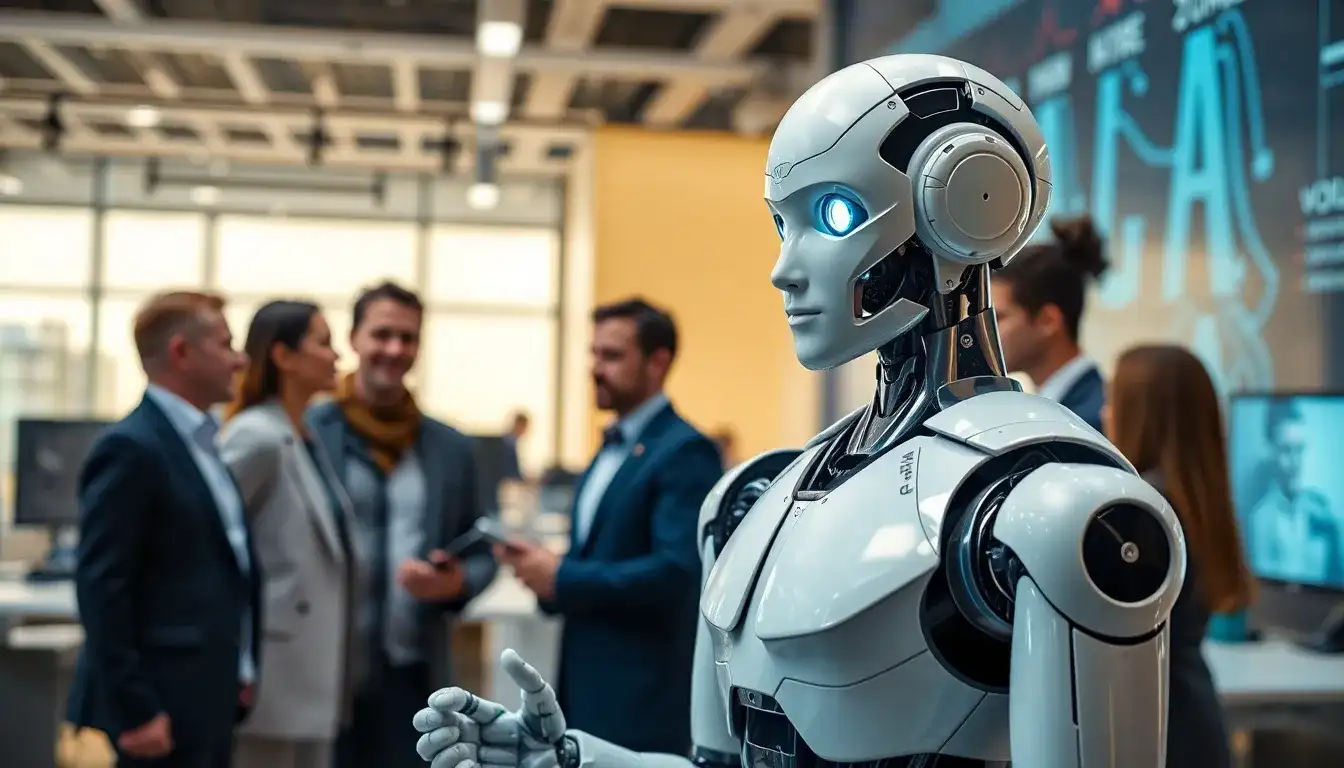
According to a recent announcement from Tesla’s official Weibo account, the third-generation Tesla humanoid robot is set to be unveiled soon. This robot has been redesigned from the ground up based on first principles and will be capable of learning new skills simply by observing human behavior, with an expected annual production of one million units. This release is considered a landmark development in the global humanoid robot sector, not only raising expectations for technology and mass production but also accelerating the entire industry’s transition into a commercialization phase.
According to CITIC Securities, the humanoid robot industry chain primarily consists of suppliers from the automotive parts, machinery, and electronics sectors. Currently, suppliers in the materials sector are relatively limited. The industry structure resembles that of the new energy vehicle sector, involving manufacturers of complete vehicles, electric motor control, intelligent cockpits, thermal management, and components. It is anticipated that the performance of these sectors will steadily follow the growth in robot industry shipments, making it less likely for them to experience the significant performance fluctuations seen in the upstream material sectors of the new energy vehicle industry.
Although the combined cost of the humanoid robot’s rotary and linear actuators exceeds 30%, similar to the costs associated with new energy vehicle batteries, the addition of dexterous hand actuators raises this cost to over 45%. However, as the industry is still in its infancy, moving from concept to reality, and the technology roadmap has not yet consolidated, these figures may evolve. Overall, the high-value, high-barrier segments of the humanoid robot industry include companies that integrate both hardware and software, high-performance SOC chips (which serve as the brain), dexterous hands (small robots that combine hardware and software), actuators, and precision sensors (also integrated systems).
Guotai Junan Securities notes that the Figure Helix 02 has achieved crucial technological breakthroughs, facilitating the transition of humanoid robots from mere technical demonstrations to practical applications. A unified neural control system has addressed the industry’s bottleneck of integrating mobility and manipulation.
Looking at the entire industry, many humanoid robot companies are actively pursuing technological innovations and exploring practical application scenarios, collectively driving the ongoing industrialization of humanoid robots. It is anticipated that 2026 will mark a critical juncture for the commercialization of humanoid robots.
For the latest updates on the stock market and insights into policy changes, you can download the official app of the Securities Times or follow their official WeChat account.
Original article by NenPower, If reposted, please credit the source: https://nenpower.com/blog/2026-expected-to-be-a-pivotal-year-for-humanoid-robot-commercialization/

