In 2025, the Chinese government announced a substantial 100 billion yuan subsidy policy aimed at boosting automobile consumption and promoting the development of the new energy vehicle (NEV) industry. This policy has sparked significant interest among consumers, who are eager to learn which vehicle models will offer the greatest benefits, as well as the specific conditions and processes for obtaining these subsidies. This article will provide an in-depth analysis of the core content of the subsidy policy to assist consumers in making informed purchasing decisions.
1. Key Points of the Subsidy Policy
The 2025 automobile subsidy policy primarily targets new energy vehicles, including pure electric vehicles, plug-in hybrid vehicles, and fuel cell vehicles. The amount of the subsidy is determined based on factors such as the vehicle’s range and battery energy density. For instance, pure electric vehicles with a range exceeding 500 kilometers can receive subsidies of up to 30,000 yuan. Furthermore, the policy encourages the purchase of fuel-efficient vehicles, with eligible models receiving a maximum subsidy of 10,000 yuan.
The subsidy application process is relatively straightforward. Consumers only need to submit the required documentation, including the purchase invoice and vehicle compliance certificate, to the relevant local authorities after buying a vehicle. Once approved, the subsidy funds will be directly transferred to the buyer’s bank account. It is important to note that the subsidy policy has a total limit, and funds are distributed on a first-come, first-served basis until exhausted.
2. Recommended Models That Benefit Most from the Subsidy
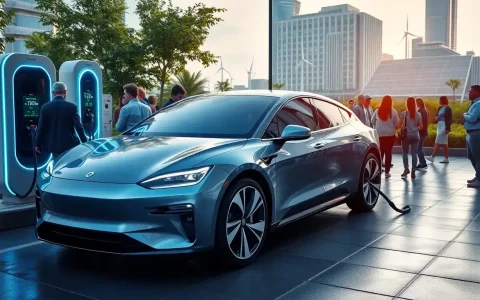
The Tesla Model Y has emerged as a popular choice under the subsidy policy, thanks to its excellent range and smart features. Its long-range model exceeds 600 kilometers in range, making its post-subsidy price highly competitive. The BYD Qin PLUS DM-i is an affordable plug-in hybrid model with low overall fuel consumption, making it a great option for urban commuting after applying the subsidy.
The NIO ES6, representing high-end electric SUVs, not only benefits from the subsidy policy but also enjoys the advantages of NIO’s after-sales service and user rights. Its long-range version boasts a range of 610 kilometers, and the post-subsidy price is very appealing. Additionally, models like the Xpeng G9 and Li Auto L9 are favored by consumers for their outstanding performance and comprehensive configurations.
3. Impact of the Subsidy Policy on the Automotive Industry
The introduction of the 100 billion yuan subsidy policy is expected to effectively stimulate automotive consumption demand and accelerate the rapid development of the NEV market. On one hand, the subsidy policy reduces the cost of vehicle purchases for consumers, increasing the market acceptance of new energy vehicles. On the other hand, it encourages manufacturers to invest more in research and development, leading to the launch of more high-quality and high-performance new energy models.
In the long run, the subsidy policy will contribute to the transformation and upgrading of China’s automotive industry, enhancing the country’s competitiveness in the global automotive market. As the policy continues to be implemented, new energy vehicles will become an important part of the automotive market, offering consumers more choices and better travel experiences.
4. Future Outlook and Recommendations
With advancements in technology and changes in market demand, future automotive subsidy policies will likely be further optimized and refined. It is anticipated that subsidy standards will become more scientifically rational, and the scope of subsidies will continue to expand to meet the needs of various consumers. Additionally, the policy will increase support for the construction of new energy vehicle infrastructure, enhancing charging convenience and user experience.
For consumers, it is advisable to stay updated on policy developments and choose models that meet their needs. Furthermore, they should thoroughly understand the subsidy application process and conditions before purchasing a vehicle to ensure a smooth subsidy retrieval. For automotive manufacturers, it is essential to seize the opportunities presented by the policy, strengthen technological innovation, and enhance product competitiveness to collectively promote high-quality development of China’s automotive industry.
In summary, the 2025 100 billion yuan subsidy policy provides consumers with a rare opportunity to purchase vehicles, especially in the new energy vehicle sector. By gaining a deeper understanding of the policy details and eligible models, consumers can make more informed purchasing decisions and enjoy greater benefits. Additionally, this policy will promote the healthy development of the automotive industry and contribute to the prosperity of the new energy vehicle market.
Original article by NenPower, If reposted, please credit the source: https://nenpower.com/blog/2025-automotive-subsidy-policy-explained-which-models-will-benefit-the-most/