

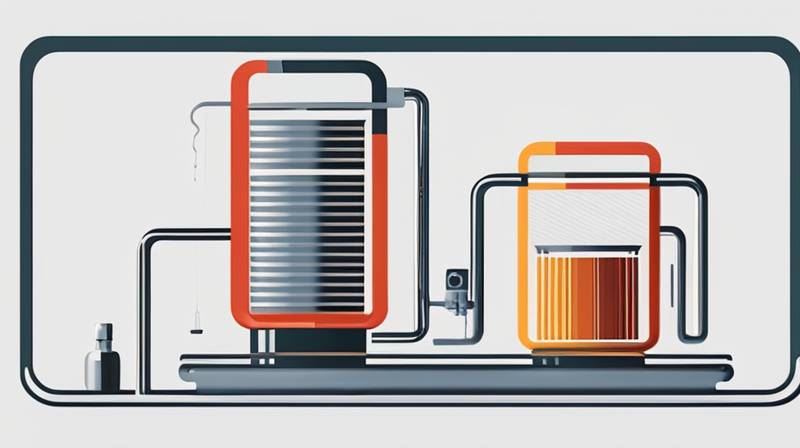
To successfully add hydraulic oil to a nitrogen accumulator, follow these key steps: 1. **Identify the appropriate hydraulic oil based on the accumulator’s specifications. 2. **Ensure the system is depressurized to prevent any accidental releases. 3. **Locate the oil filling port on the accumulator. 4. **Use the correct tools, such as a funnel or pump, to avoid spills. 5. **Carefully monitor the oil level, referring to indicators or dipsticks.
1. UNDERSTANDING NITROGEN ACCUMULATORS
Nitrogen accumulators play a vital role in hydraulic systems by storing energy and smoothing out pulsations. Generally, they consist of a bladder or diaphragm that separates nitrogen from hydraulic fluid. Over time and usage, these accumulators require maintenance, including the addition of hydraulic oil. The purpose of this addition is to ensure that the accumulator functions effectively and maintains optimal pressure levels.
The incorporation of hydraulic oil restores any fluid lost through leaks or normal operation. Without adequate oil levels, the system may experience reduced efficiency, leading to potential failures that can impede overall performance.
2. IDENTIFYING THE APPROPRIATE HYDRAULIC OIL
Choosing the right hydraulic oil is crucial when adding it to a nitrogen accumulator. Each hydraulic system may have specific requirements based on factors such as temperature, load, and environmental conditions. Therefore, it is essential to consult the manufacturer’s specifications for the accumulator in question.
Different types of hydraulic oils possess varying properties that cater to specific applications. For instance, some oils are formulated with additives for improved lubricity or temperature resistance. Selecting the appropriate oil ensures that the accumulator can perform optimally while prolonging its lifespan. Utilizing the wrong type of oil may lead to detrimental reactions, including foaming or chemical breakdown.
3. PREPARATION FOR OIL ADDITION
Before beginning the process of adding hydraulic oil, a thorough assessment of the system is imperative. Ensure to shut down the machinery and depressurize the hydraulic system entirely. Taking this precautionary step is essential for both safety and operational integrity. Failure to do so may result in hazardous conditions.
Once it is confirmed that the system is safe, gather the necessary tools, including a suitable oil container, funnel, and possibly a pressure gauge. A clean workspace is also advisable to avoid contaminants mingling with the hydraulic fluid, as impurities can compromise system performance.
4. LOCATING THE OIL FILLING PORT
Identifying the correct filling port is a critical component in the process of adding hydraulic oil. The oil fill port is typically located on the upper section of the nitrogen accumulator. Consult the system manual or look for visual indicators labeled with “Oil” or similar markings.
In some cases, the oil fill may be designed with specific fittings or caps. It is crucial to use the right tool or adapter to avoid rounding off any threads, as this could lead to complications in sealing after the addition is complete. Proper attention to detail at this juncture ensures a smooth operation with reduced risk of leaks.
5. ADDING THE HYDRAULIC OIL
With everything prepared, the next step involves the safe addition of hydraulic oil. Utilizing a funnel simplifies the process and helps avoid overfilling or spillage. Pour the oil slowly into the filling port, taking care to monitor the fill level as you do so.
Many accumulators are equipped with sight glasses or reservoirs to give a clear indication of fluid levels. If these are absent, it is advisable to have a dipstick handy for checking levels intermittently rather than guessing. Maintaining the correct oil level is critical to the performance and efficiency of the accumulator system.
6. MONITORING AND TROUBLESHOOTING
After adding the hydraulic oil, closely monitor the system for any signs of leaks or malfunctions. Start the machine and observe the accumulator’s performance while checking to ensure that the hydraulic oil level remains stable. If there are any anomalies such as uncontrollable pressure increases or decreases, it is important to stop the system and re-inspect your work.
If any issues arise during the monitoring process, address them promptly, which may include re-visiting your oil choice, evaluating the condition of seals, and making sure that no air has been introduced into the system during the filling process. Properly troubleshooting these components ensures the longevity of your nitrogen accumulator.
7. MAINTAINING REGULAR OIL CHECKS
Performing regular checks on hydraulic oil levels is essential for sustained performance. Just as the initial oil addition can restore function, periodic checks allow operators to catch any discrepancies before they escalate into serious issues that can disrupt operations.
Developing a maintenance schedule can be beneficial. Such a structured approach helps in identifying long-term trends in fluid consumption, indicating potential leaks or component wear. Regular checks not only enhance safety but also sustain productivity, ensuring that equipment operates at peak efficiency.
8. IMPORTANCE OF SAFETY
While performing maintenance on hydraulic systems, it is paramount to prioritize safety throughout the process. Familiarity with hydraulic systems often leads to oversight of safety protocols. Before embarking on oil addition, it is wise to wear suitable personal protective equipment (PPE) such as gloves and goggles.
Being aware of the emergency procedures and having first-aid measures on hand can avert severe injuries or mishaps. Furthermore, maintaining a clean work environment minimizes risks associated with spills or slips, promoting a safe atmosphere during maintenance practices.
COMMON INQUIRIES AND ANSWERS
WHAT IS A NITROGEN ACCUMULATOR?
A nitrogen accumulator is a hydraulic component designed to store energy in the form of compressed nitrogen gas. It acts as a buffer to smooth out pressure variations in hydraulic systems, absorbing shocks and aiding in the system’s overall efficiency. When hydraulic fluid enters the accumulator, it compresses the nitrogen, essentially capturing energy that can be released when needed to assist with system operation. This energy storage capability serves a myriad of applications, ranging from industrial machinery to automotive systems, and enhances the reliability and performance of hydraulic equipment.
HOW OFTEN SHOULD I CHECK THE OIL LEVEL?
The frequency of checking hydraulic oil levels in an accumulator is contingent upon several factors, including the system’s operational demands, the environment, and the specific accumulator design. As a general guideline, it is advisable to conduct checks on a weekly basis for machinery under heavy use, or monthly for more sparingly utilized equipment. Consistency in these checks provides insights into the operational health of the system and allows for prompt action if oil levels diminish unexpectedly. Developing a routine maintenance schedule not only extends the life of the accumulator but also enhances overall efficiency.
CAN I USE ANY TYPE OF HYDRAULIC OIL FOR MY ACCUMULATOR?
It is essential to avoid using any type of hydraulic oil without understanding the accumulator’s specifications. Each accumulator is engineered with specific oil requirements based on performance needs, such as viscosity and temperature range. Using incompatible oils can lead to various problems, including foaming, decrease in lubrication quality, or even chemical reactions that damage the internal components. Therefore, it is critical to always consult the manufacturer’s recommendations regarding the appropriate type of hydraulic oil to ensure optimal functionality and longevity of the system.
Safeguarding the efficiency and longevity of a nitrogen accumulator involves meticulous attention to the process of adding hydraulic oil. Each stage, from selecting the right oil to monitoring post-addition, is integral to ensuring the system performs optimally. Moreover, maintaining a culture of safety and regular inspections fosters not only enhanced productivity but also an understanding of best practices in dealing with hydraulic equipment. Sensitivity to the specific needs of the accumulator throughout its service life will yield significant benefits in operational dependability and overall system performance. By implementing these guidelines, operators can expect to achieve substantial improvements in both efficiency and reliability in their hydraulic systems.
Original article by NenPower, If reposted, please credit the source: https://nenpower.com/blog/how-to-add-hydraulic-oil-to-nitrogen-accumulator/

